5 Common Flower Care Mistakes That Kill Cut Blooms
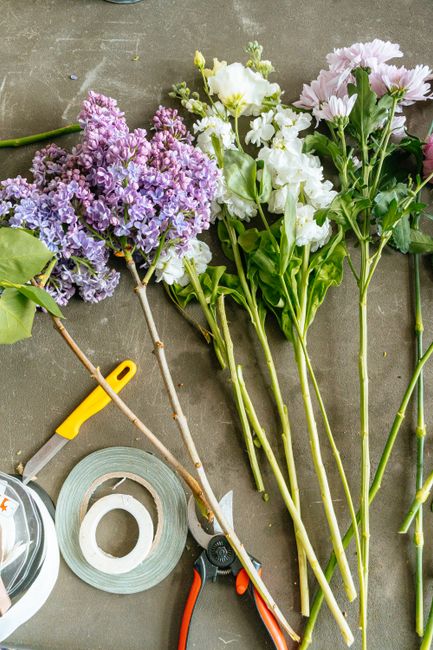
Fresh cut flowers can make a room feel brighter almost instantly. Then, a day or two later, the petals droop, the water turns cloudy, and you're left wondering what went wrong. Truth be told, most cut blooms don't fail because they were "bad flowers" to begin with. They fail because of a few very common care mistakes that quietly shorten vase life.
This guide breaks down the 5 common flower care mistakes that kill cut blooms, why they matter, and how to avoid them without turning flower care into a complicated routine. Whether you're looking after a hand-tied bouquet, supermarket stems, or a vase arrangement from a special occasion, the basics are surprisingly simple once you know what to look for.
And yes, a little care goes a long way. One clean vase, one sharp cut, one decent spot in the room - boring maybe, but effective. Let's get into the practical stuff.
- Why these flower care mistakes matter
- How cut blooms decline so quickly
- Benefits of getting flower care right
- Who this advice is for
- Step-by-step care guidance
- Expert tips for longer-lasting flowers
- Mistakes to avoid
- Tools and resources
- Best practice and hygiene
- Comparison table
- Real-world example
- Practical checklist
- Conclusion
- Frequently asked questions
Why 5 Common Flower Care Mistakes That Kill Cut Blooms Matters
Cut flowers are living materials. They may have been harvested, transported, and arranged, but they are still trying to drink, breathe, and stay upright. The trouble is that once a stem is cut, its natural supply lines are interrupted. That means every small mistake - dirty water, a blunt cut, a hot windowsill, or a vase left too long without refreshing - has a much bigger effect than most people expect.
That is why understanding the 5 common flower care mistakes that kill cut blooms matters. It's not just about keeping flowers pretty for another day or two. It's about protecting the shape, colour, scent, and texture you paid for. A bouquet can look expensive on arrival and still collapse quickly if the basics are wrong. Happens all the time, frankly.
In practical terms, better flower care helps you:
- extend vase life and reduce waste
- keep arrangements looking neater for longer
- protect delicate blooms such as roses, tulips, peonies, and lilies
- avoid the sour smell that comes from bacteria building up in the vase
- make the most of flowers for events, gifts, home styling, or workplace reception spaces
For households in busy UK cities, this matters even more because flowers often sit near radiators, fruit bowls, south-facing windows, or kitchens where heat and ethylene gas can speed up ageing. Small things, big impact.
How 5 Common Flower Care Mistakes That Kill Cut Blooms Works
Cut blooms decline through a few predictable processes. Once a stem is cut, the flower needs to keep pulling water upward through tiny pathways in the stem. If those pathways get blocked by bacteria, air pockets, or crushed tissue, the bloom dehydrates faster. Petals soften. Heads nod. Colour fades. It all looks a bit sad, to be fair.
The five most common mistakes usually work like this:
- Dirty vase, dirty water. Bacteria multiply quickly in standing water and clog the stem end.
- Skipping the stem trim. Stems seal off, dry out, or get crushed during transport, which reduces water uptake.
- Using the wrong location. Heat, direct sun, drafts, or fruit can all shorten vase life.
- Adding too much or too little flower food. Flower food is designed to nourish and slow bacterial growth, but only if used correctly.
- Ignoring maintenance. Flowers are not "set and forget." If you leave them for days on end without fresh water or a quick tidy, the decline is usually obvious by day three or four.
The basic principle is simple: keep the water clean, keep the stem ends open, and keep the environment stable. Do that, and you'll notice the difference within hours. Some blooms perk up after a fresh cut and clean vase water almost immediately. Not magic. Just decent care.
Key Benefits and Practical Advantages
Getting flower care right has benefits beyond longer vase life. It changes the way the arrangement looks and feels in the room. Flowers stay more upright. Petals hold their shape. Water stays clearer. And the whole display reads as fresher, not tired and forgotten.
What you gain from proper cut flower care
- Longer display time: the most obvious gain, especially for gift bouquets and event flowers
- Better value: you get more visual life from each stem
- Improved presentation: useful for homes, restaurants, hotels, offices, and event spaces
- Less mess and smell: clean water and trimmed foliage reduce unpleasant odours
- More confidence: once you know what works, arranging flowers stops feeling fragile or hit-and-miss
There is also a subtle emotional benefit. A healthy arrangement changes the mood of a room. You walk in, notice the colour at breakfast, or catch the scent in the hallway in the evening, and the whole space feels cared for. That sounds small, but it really isn't.
Expert takeaway: Most cut flower problems are maintenance problems, not flower problems. If blooms collapse early, look first at water quality, stem prep, and placement before blaming the florist or the season.
Who This Is For and When It Makes Sense
This advice is useful for anyone looking after cut flowers at home, but it is especially relevant if you:
- buy bouquets regularly and want them to last longer
- arrange flowers for weddings, parties, or client spaces
- work in hospitality, offices, or reception areas
- receive flowers as gifts and want to make them last
- sell or display blooms where presentation matters
It also makes sense if you've noticed a pattern. Same flowers, same shop, same vase - but one week they last, and the next they're done in two days. Usually, one of the five mistakes is creeping in. Maybe the vase wasn't as clean as you thought. Maybe the flowers were placed near a bowl of ripe fruit. Maybe the stems were never recut after travel. Easy to miss, annoying when it happens.
If you're caring for a mixed bouquet, the guidance matters even more because different flowers age at different speeds. Tulips keep moving toward the light. Roses can droop if they lose water quickly. Hydrangeas are notoriously dramatic if allowed to dry out for even a short period. In other words: one routine does not fit every bloom perfectly.
Step-by-Step Guidance
If you want cut flowers to last, use a simple system from the moment they arrive. The routine below is practical, quick, and works well for most bouquets.
1. Start with a clean vase
Wash the vase thoroughly with hot soapy water and rinse well. If it still smells musty, wash it again. That smell is usually a sign of residue, and residue becomes a home for bacteria. A sparkling vase is not being fussy; it's part of flower care. One of the most common errors is assuming a quick rinse is enough. It usually isn't.
2. Fill with fresh, cool water
Use fresh water rather than water that has been sitting around. Cool or lukewarm water is often fine for mixed bouquets unless the flower instructions say otherwise. Follow the supplier's guidance if they provide any. Some flowers are a bit particular - roses and tulips, for example, may respond differently depending on the variety and condition on arrival.
3. Recut the stems at an angle
Use clean, sharp scissors or floral shears and trim 1-2 cm from each stem. Cutting at an angle helps create a larger surface for water uptake and reduces the chance of the stem sitting flat against the vase base. If stems have been out of water for a while, recutting is especially important because the ends can seal over or draw in air.
4. Remove leaves below the waterline
Any foliage sitting in water will rot quickly and feed bacteria. Strip those leaves off before arranging. This one gets overlooked all the time because the bouquet looks fine at first glance. Then two days later the water goes cloudy and the whole vase starts to smell a bit swampy. Not ideal.
5. Add flower food properly
If flower food is included, use it exactly as directed. It usually contains a mix of sugar for nourishment, an acidifier to improve water uptake, and a biocide to slow bacterial growth. Too much can harm stems; too little won't do the job. If no food is provided, some flowers still do well in clean water, but the water must be changed regularly.
6. Place the vase in a stable spot
Keep blooms away from direct sunlight, radiators, fireplaces, strong drafts, and fruit bowls. Ethylene gas from ripening fruit can speed up flower ageing, which is one of those odd facts that sounds made up until you see it in practice. Also avoid the top of a television, sunny kitchen ledge, or anywhere with heat cycles. The flowers do not enjoy a hot-and-cold routine.
7. Refresh the water and trim again
Check the arrangement daily. Top up the water if needed, and change it completely every couple of days, or sooner if it looks cloudy. Give the stems another small trim if blooms begin to droop. A five-minute refresh can buy you several more days of decent display.
Expert Tips for Better Results
If you already handle the basics well, these extra details can make a noticeable difference. They are small, but small is often the whole game with cut flowers.
- Use the right vase size. A vase that is too wide can let stems flop; too narrow and the bouquet gets cramped.
- Support heavy-headed flowers. For roses, lilies, and large mixed bouquets, make sure stems are grouped so they can support one another.
- Condition flowers before displaying them. If the stems have been out of water during transport, let them rest in fresh water for a little while before arranging.
- Keep flowers cool overnight. If practical, a cooler room helps extend vase life. Even a slightly cooler hallway can make a difference.
- Watch for one failing stem. One stem going soft can affect the whole vase. Remove anything slimy, bent, or visibly rotting straight away.
- Do not overcrowd the vase. Flowers need space for air flow and for each stem to drink properly.
There's also a simple rule we often come back to: if something looks off, act on it early. Snip, rinse, remove, refresh. It is far easier to save a bouquet on day two than rescue it on day five.
If you are sourcing flowers regularly for events or gifts, it can help to choose arrangements from a reliable local florist with good handling practices. For readers comparing options and looking for floral services in the city, you may also want to explore flower arrangements and expert floral services as part of your decision-making process. A well-prepared bouquet is always easier to care for than one that has been mishandled before it reaches your vase.
Common Mistakes to Avoid
Here is the heart of it: the five biggest mistakes are usually simple, ordinary, and very avoidable. The tricky part is that they can feel harmless in the moment.
| Mistake | What it does | Better approach |
|---|---|---|
| Using a dirty vase | Encourages bacteria and cloudy water | Wash thoroughly before use |
| Not recutting stems | Reduces water uptake and speeds wilting | Trim 1-2 cm from each stem on arrival |
| Leaving leaves in water | Causes decay and bad smell | Strip all foliage below the waterline |
| Placing flowers in heat or sun | Accelerates drying and ageing | Keep in a cool, stable position |
| Ignoring daily maintenance | Allows decline to build quietly | Refresh water and remove failing stems promptly |
A few other habits cause trouble too:
- Using blunt scissors: they crush stems instead of cutting cleanly
- Overfilling the vase: can trap stems and leaves in water
- Mixing incompatible flowers without checking needs: some stems are more sensitive than others
- Forgetting about the room environment: air vents and fruit bowls are more influential than people think
One small aside from real life: if you've ever placed a bouquet on a kitchen table and wondered why it looked tired by supper time, the answer may simply be heat, steam, and fruit all doing their little damage at once. Flowers are resilient, but not that resilient.
Tools, Resources and Recommendations
You do not need a lot of equipment to care for cut flowers properly. A simple kit is enough for most homes and small businesses.
Useful tools
- Clean glass or ceramic vase: easy to see water clarity and stem condition
- Sharp floral scissors or secateurs: for clean stem cuts
- Measuring jug: helps with adding the right amount of water or flower food
- Soft cloth or sponge: for cleaning the vase fully
- Small waste bag: for removing leaves, petals, and spent stems quickly
Practical recommendations
- keep one vase dedicated for delicate arrangements if you display flowers often
- store scissors clean and dry so they do not pick up residue
- if you receive flowers frequently, set a reminder to change the water every two days
- for larger arrangements, split stems into more than one vase if crowding becomes a problem
If you're buying flowers for a special occasion, it also helps to ask whether the stems have been conditioned properly before sale. That may sound a bit technical, but all it really means is the flowers have been hydrated, cleaned, and prepared to travel well. Good preparation on day one makes the whole job easier.
Law, Compliance, Standards, or Best Practice
For most home flower care, there are no special legal requirements. The main expectation is simply good hygiene and sensible handling. That said, if you are managing flowers in a workplace, hospitality setting, care setting, or event venue, good practice matters because poor maintenance can create mess, smell, slipping hazards, or just a badly presented environment.
In a professional setting, the usual best practice is straightforward:
- keep containers clean and stable
- remove spilled water promptly
- dispose of decaying plant material regularly
- store sharp tools safely
- maintain a routine for checking and refreshing arrangements
Where flowers are used in customer-facing environments, presentation and hygiene standards are often part of general housekeeping expectations rather than a flower-specific rulebook. If your venue has internal cleaning procedures, it makes sense to fold flower care into them. A tidy vase in a tidy room is one of those details people notice without quite realising why.
Options, Methods, or Comparison Table
There is more than one way to care for cut blooms, but not every method gives the same result. Here's a simple comparison of common approaches.
| Method | Effort | Results | Best for |
|---|---|---|---|
| Water only | Low | Can work briefly, but declines faster | Simple arrangements, short display times |
| Water plus flower food | Low to medium | Usually better vase life and clearer water | Most bouquets and mixed stems |
| Daily refresh routine | Medium | Best for extending life and appearance | Home displays, events, hospitality |
| Minimal handling after delivery | Very low | Convenient, but risky for delicate blooms | Only if longevity matters less than convenience |
For most readers, the best balance is water plus flower food, a clean vase, and a light maintenance routine. You do not need to fuss over every stem. Just keep the environment stable and the water fresh. That is the sweet spot.
Case Study or Real-World Example
Here's a realistic example from an ordinary week rather than a glossy florist advert. A mixed bouquet arrives on Friday afternoon: roses, alstroemeria, eucalyptus, and a few filler stems. It looks lovely at first - rich colour, fresh scent, full shape. By Sunday morning, though, the water is cloudy and two roses are beginning to bend.
What changed? Not much, at least on the surface. The vase had not been washed properly. A few leaves were sitting below the waterline. The bouquet had been placed near a sunny window because that was the nicest-looking spot in the room. No single error was dramatic, but together they shortened the display.
After cleaning the vase, recutting the stems, removing submerged leaves, and moving the arrangement to a cooler sideboard, the rest of the bouquet held up for several more days. Not forever. Flowers are still flowers. But the difference was obvious.
That is the point, really. Most of the time, you do not need advanced florist training. You just need to stop doing the small things that quietly kill cut blooms.
Practical Checklist
Use this quick checklist each time you receive or refresh a bouquet.
- Wash the vase thoroughly before arranging flowers
- Fill it with fresh water
- Recut each stem with a sharp, clean tool
- Remove leaves below the waterline
- Add flower food correctly if provided
- Place the vase away from direct sun, heat, and fruit
- Check the water daily
- Change cloudy water straight away
- Remove any fading stems or petals
- Recut stems again if flowers start to droop
Quick reminder: If the bouquet looks tired, do not wait for it to "sort itself out." Flowers rarely do. A two-minute intervention often saves the arrangement.
Conclusion
The 5 common flower care mistakes that kill cut blooms are not mysterious at all once you see the pattern. Dirty containers, poor stem prep, bad placement, incorrect food use, and neglect over time are responsible for most early losses. The good news is that each one is easy to fix.
Start with a clean vase. Trim the stems. Remove the leaves that would rot in water. Keep the arrangement cool and stable. Then give it a little attention now and again. That's the whole routine, really.
If you do those things consistently, your flowers will almost always look better for longer, smell fresher, and feel worth the effort. And honestly, that little lift on a kitchen table or reception desk can change the feel of a space more than people expect. Small care, nice result.
Get a free quote today and see how much you can save.
Frequently Asked Questions
What are the 5 common flower care mistakes that kill cut blooms?
The main mistakes are using a dirty vase, not recutting stems, leaving leaves in the water, placing flowers in heat or direct sun, and skipping regular water changes and upkeep. Each one reduces vase life in a different way.
How often should I change the water in cut flowers?
As a general rule, change the water every two days, or sooner if it turns cloudy or starts to smell. If a bouquet is in a warm room or has a lot of foliage, daily checks are sensible.
Should I cut flower stems under water?
It can help for some delicate stems, especially if they have been out of water for a while, because it reduces air entering the stem. For most home arrangements, a clean angled cut on the worktop is still perfectly fine if done quickly and neatly.
Why do my flowers droop so quickly after I bring them home?
Usually it is a mix of water loss, blocked stem ends, heat exposure, or bacteria in the vase. Sometimes flowers are already under stress from transport, so the first few hours at home matter a lot.
Does flower food really make a difference?
Yes, usually it does. Proper flower food helps nourish the blooms and slows bacterial growth. The key is using the right amount and mixing it properly, not guessing.
Can I use sugar or household substitutes instead of flower food?
People try this often, but results are inconsistent. Some homemade ideas can encourage bacteria or upset the water balance. Clean water and correct maintenance are safer than improvised mixtures.
What is the best place to keep cut flowers in the house?
A cool spot away from direct sunlight, radiators, fireplaces, and fruit bowls is usually best. A side table or hallway with stable temperatures often works better than a bright windowsill.
Why should I remove leaves below the waterline?
Because submerged leaves break down quickly, which feeds bacteria and makes the water cloudy. That bacteria blocks the stems and shortens vase life. It's a small task with a big payoff.
Do different flowers need different care?
Yes, they do. Roses, tulips, hydrangeas, lilies, and seasonal mixed stems can each respond differently to temperature, hydration, and trimming. Always follow any care note that comes with the bouquet if one is provided.
How can I make supermarket flowers last longer?
Treat them like any other bouquet: clean vase, fresh water, stem trim, no leaves in the water, and a cool location. Supermarket flowers can last well when they are handled properly at home.
When should I throw out a bouquet?
When the water smells bad, most stems are soft or collapsing, and petals are dropping faster than the arrangement can recover. At that point, a refresh usually won't do enough. Best to clear it and start again.
Is there a legal or compliance issue with flower care at home?
Usually no. At home, it is mainly about hygiene and good practice. In workplaces or hospitality settings, though, clean containers, safe placement, and prompt cleanup of spilled water are important housekeeping standards.
What is the single best thing I can do to keep cut blooms alive longer?
If we had to pick one, it would be keeping the vase and water clean. That one habit helps prevent bacteria, supports water uptake, and makes all the other steps work better too.