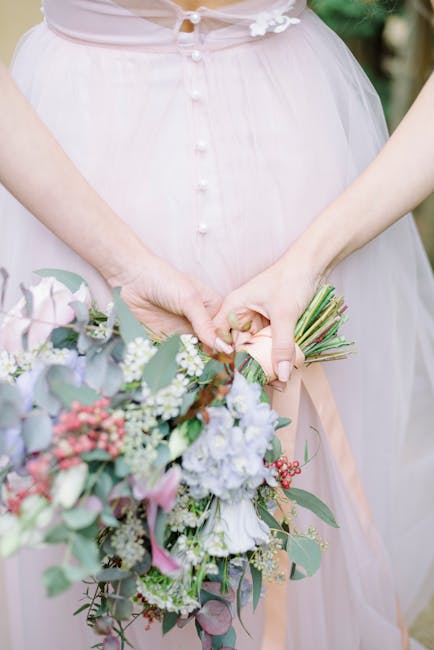
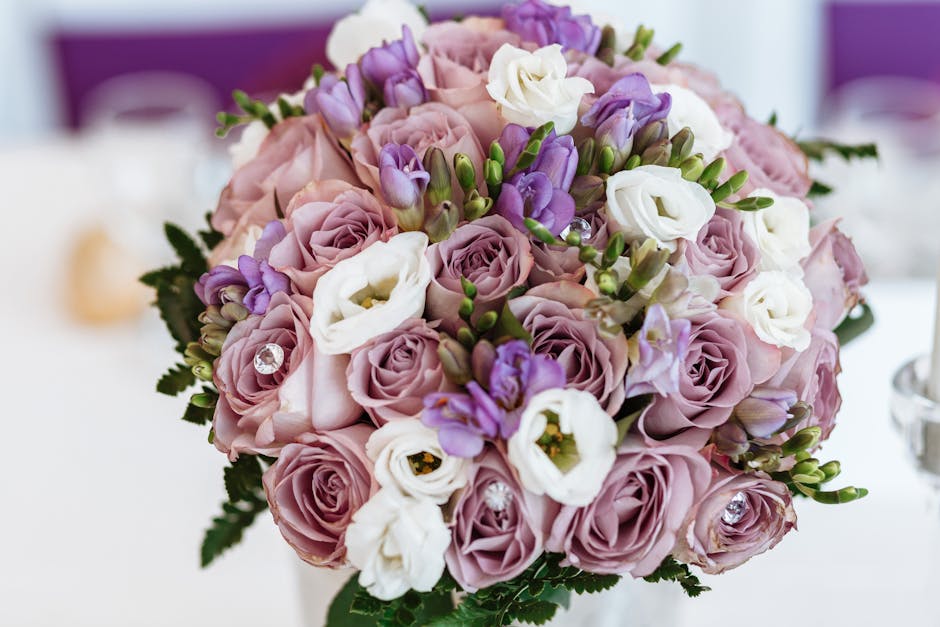
Arrange Seasonal Flowers for a UK Wedding on a Budget: A Practical, Beautiful Guide
Planning wedding flowers can feel a bit like juggling three things at once: your style, your guest list, and the budget. If you want to arrange seasonal flowers for a UK wedding on a budget, the good news is that you do not need a huge spend to create something thoughtful, elegant, and properly memorable. In fact, seasonal blooms often look better, last longer, and feel more in tune with the time of year. That helps more than people expect.
Whether you are planning a small civil ceremony, a countryside marquee, or a city wedding with a tight floral brief, this guide walks through the practical choices that keep costs sensible without making the flowers feel second-rate. You will find season-by-season ideas, a simple process, common mistakes, and a few real-world trade-offs that can save you money. And yes, we will keep it clear. No fluff, no flower snobbery.
If you are also comparing flower delivery options or thinking about practical ordering details, you may want to look at flower delivery services and the site's broader about us information for context on service and support.
Table of Contents
- Why Arrange Seasonal Flowers for a UK Wedding on a Budget Matters
- How Arrange Seasonal Flowers for a UK Wedding on a Budget Works
- Key Benefits and Practical Advantages
- Who This Is For and When It Makes Sense
- Step-by-Step Guidance
- Expert Tips for Better Results
- Common Mistakes to Avoid
- Tools, Resources and Recommendations
- Law, Compliance, Standards, or Best Practice
- Options, Methods, or Comparison Table
- Case Study or Real-World Example
- Practical Checklist
- Conclusion
- Frequently Asked Questions
Why Arrange Seasonal Flowers for a UK Wedding on a Budget Matters
Seasonal flowers are usually the smartest place to start if budget matters. That is because flowers that are naturally available in the UK, or readily imported in volume at that time of year, tend to be easier to source and often better value than out-of-season blooms. Simple enough. But there is a second reason that matters just as much: seasonal arrangements usually feel more authentic.
A spring wedding with tulips, ranunculus, daffodils, hyacinths, and hellebores can feel soft and fresh without trying too hard. A late-summer celebration with dahlias, cosmos, scabious, and garden roses has a different energy entirely. If you choose flowers that match the season, your wedding design tends to look more cohesive, even if the arrangement itself is modest.
That is especially useful in the UK, where weather is, let's face it, a character of its own. A June wedding can be bright and breezy or damp and blustery. A November reception might be candlelit and cosy. Seasonal flowers work with that atmosphere instead of fighting it.
Budget-wise, seasonal planning also helps you avoid the classic trap of asking for premium imports that need extra handling, special ordering, or more time in transit. That can push costs up quickly. If you are working with a florist or planning to arrange the flowers yourself, choosing seasonal stems gives you more room to prioritise the areas guests actually notice: bouquets, ceremony focal points, and the tables everyone gathers around.
For couples trying to keep the whole day affordable, it also helps to think about the wider supplier picture. Reliable ordering, clear payment information, and sensible support matter when timelines are tight. It is worth checking practical pages like payment options, delivery information, and service guarantees so there are fewer surprises later on.
How Arrange Seasonal Flowers for a UK Wedding on a Budget Works
The process is simpler than many couples expect. At its core, you choose flowers that are in season, decide where floral impact matters most, and reduce spend on the areas that will not be noticed much in the room. That is really the heart of it.
Here is how it usually works in practice:
- Set your floral priorities. Decide what absolutely needs flowers: bridal bouquet, buttonholes, ceremony arch, table centres, registrar table, or entrance pieces.
- Choose a seasonal palette. Pick colours that suit the time of year and your venue, rather than forcing a complicated mix.
- Select a few focal flowers. This might be roses in winter, peonies in late spring, dahlias in late summer, or chrysanthemums and berries in autumn.
- Fill with supportive stems. Greenery, smaller blooms, and foliage add volume without swallowing the budget.
- Reuse arrangements where possible. Ceremony flowers can sometimes be moved to the reception, which is a neat little money-saver.
- Keep mechanics simple. Smaller vases, jam jars, bud vases, or grouped low arrangements often look stylish and cost less than large statement installs.
There is also a sourcing side to this. Some couples buy from a florist, some work with a wholesale supplier, and some mix DIY with professional support. All three can work. The right one depends on your confidence, your schedule, and how much stress you want on the morning of the wedding. And to be fair, on the wedding morning you probably do not want to be trimming stems in a borrowed kitchen while someone asks where the rings are.
One practical note: if you are ordering flowers for delivery, make sure you know what is included, when they arrive, and how they should be stored. A small gap in timing can make a big difference to freshness. Helpful service pages such as flower care guidance and the site's returns and refund information can be useful when you are comparing providers.
Key Benefits and Practical Advantages
Working with seasonal wedding flowers is not just about saving money. It creates a few side benefits that often make the whole day feel smoother.
1. Better value per stem
When flowers are in season, you usually get more visual impact for the spend. In plain English, that means more volume, better availability, and less scrambling for rare varieties.
2. A more natural-looking design
Seasonal flowers tend to suit each other better. That gives you arrangements that feel relaxed rather than overworked. Guests may not know exactly why the table flowers look good, but they will notice that they do.
3. Less waste
If your arrangements use flowers that are easier to source locally or regionally, there is often less waste across the supply chain. Couples who care about this side of things may also want to consider the business's sustainability approach before placing an order.
4. Easier styling choices
Seasonal planning narrows the field in a helpful way. Instead of trying to force a spring look in October, you can build around what is actually beautiful now. That can reduce decision fatigue, which is real, especially when you are also choosing catering, transport, music, and the rest.
5. Better flower longevity
Flowers that are already suited to the season and handled carefully often last better through the wedding day. That matters for bouquets, buttonholes, and table flowers that need to look fresh from morning preparations through the evening dance floor.
Expert summary: The best budget wedding flower plans are not the cheapest-looking ones. They are the plans that spend where people will notice, simplify where they will not, and use the season to make every stem work harder.
Who This Is For and When It Makes Sense
This approach suits a wide range of couples, but it is especially useful if one or more of these sounds familiar:
- You want beautiful flowers without a large floral budget.
- You are planning a UK wedding in a specific season and want the flowers to feel in tune with it.
- You are having a smaller ceremony and want just a few standout arrangements.
- You are comfortable mixing DIY elements with professionally supplied flowers.
- You care about practical value and are happy to prioritise impact over quantity.
- You want the wedding to feel personal, not over-decorated.
It also makes sense for couples who are getting married in less traditional venues. Think village halls, pubs, barns, gardens, or even a small registry office celebration followed by a meal somewhere lovely. In those settings, the flowers often do more storytelling than decoration.
On the other hand, if you want large-scale installations, hanging floral clouds, or lots of imported blooms with a very exact colour match, a strict budget can feel tight fast. That is not a failure; it just means the brief needs careful shaping. A smaller, sharper design usually wins on value.
Couples organising flowers remotely or with limited time may also find the logistics easier if the supplier is clear about delivery timing and customer support through contact us. Simple things, but they calm the nerves.
Step-by-Step Guidance
If you want a budget-friendly floral plan that still feels polished, work through the process in order. Do not start with a giant Pinterest board and hope the numbers make sense. That way madness lies.
Step 1: Decide on your floral must-haves
Write down the pieces that matter most. For many weddings, that is the bride's bouquet, a few buttonholes, ceremony flowers, and table centres. If the budget is tight, you may decide the top table is more important than every guest table. That is a sensible call.
Step 2: Pick your season first, then your colour palette
Season first. Always. A spring pastel palette, a summer meadow look, an autumn palette with rust and burgundy, or a winter scheme with white, evergreen, and deep red all give you a better starting point than trying to force a colour trend onto the wrong month.
Step 3: Choose 1 to 3 focal flowers
Do not try to use everything. That usually makes things more expensive and less cohesive. Pick a few flowers that do the visual heavy lifting, then let supporting stems do the rest. Garden roses, carnations, chrysanthemums, alstroemeria, tulips, dahlias, and spray roses often appear in budget-conscious plans because they can offer good form and volume.
Step 4: Build with filler and foliage
Foliage is not an afterthought. Good greenery can turn a few blooms into a full arrangement. Eucalyptus, ruscus, ferns, ivy, olive-style foliage, and seasonal British greens can all soften the look and stretch the arrangement. You want movement, not a stiff lump of flowers on a table.
Step 5: Reuse flowers between the ceremony and reception
This is one of the easiest savings. Ceremony pedestal flowers, aisle jars, or altar arrangements can often be moved to the reception after the vows. If your timeline allows, ask someone responsible to shift them. One practical person on the day is worth three decorative extras.
Step 6: Choose low-cost containers
Bud vases, rented vessels, reused glass jars, simple bowls, and mason-style jars can look elegant when styled well. The container should support the flowers, not shout over them. That sounds obvious, but it is where a lot of budgets quietly disappear.
Step 7: Order with freshness and delivery in mind
Make sure flowers arrive with enough time to condition properly before the wedding. This is where practical service details matter. Look at the supplier's flower delivery information and, if you are comparing service quality, check the guarantees page as well.
Step 8: Handle flowers correctly once they arrive
Cut stems at an angle, remove lower leaves, place them in clean water, and keep them away from direct heat. If you are doing any DIY work, read the supplier's flower care advice before you start. A few small steps can save a lot of heartbreak the next morning.
Expert Tips for Better Results
There are a few small choices that make a disproportionately big difference. This is where budget weddings either feel considered or slightly improvised. The good news? The fixes are simple.
Use more texture, fewer expensive blooms
A mixed arrangement with texture often looks richer than a very small number of expensive stems. Think about the overall shape and movement. A little softness, a little height, a little spill. That is usually enough.
Let the venue do some of the work
If your venue already has character - wood beams, old brick, a view over the garden, patterned tiles, stained glass, whatever it is - do not fight it with oversized flowers. Smaller arrangements can actually feel more elegant in a beautiful space.
Stick to one strong visual idea
Maybe it is a wild meadow feel. Maybe it is classic and romantic. Maybe it is crisp and modern with white flowers and structured greenery. One good idea is easier to execute than four half-formed ones.
Ask what is substituted, not just what is included
If a florist or supplier has to make substitutions, you want to know how that is handled. Are the replacements similar in colour and size? Will the shape stay the same? Good communication beats assumptions every time.
Order a little extra greenery if the budget is tight
Greenery can bulk out arrangements without the cost of premium flowers. It also photographs well, especially in natural light. A soft 3 p.m. sun through a window and a bowl of greenery-heavy centrepieces can look quietly lovely.
And a small human note: if you are the kind of couple who worries about "not doing enough," remember that guests rarely measure flowers by price. They notice whether everything feels thoughtful. That is the real standard, truth be told.
Common Mistakes to Avoid
Budget flower plans usually go wrong in a few predictable places. Avoiding these will save both money and stress.
- Choosing flowers before setting the budget. Start with your limit, not your dream flower list.
- Ignoring the season. Out-of-season blooms can blow the budget quickly.
- Trying to cover every surface. A few well-placed arrangements are better than lots of tiny, weak ones.
- Forgetting delivery and setup timing. Late arrivals are not just inconvenient; they can affect freshness.
- Overcomplicating the palette. Too many colours can make a budget design look messy rather than rich.
- Not thinking about the after-use plan. Can flowers move from ceremony to dinner? If yes, say so early.
- Skipping care instructions. Even lovely stems need the basics: clean water, cool storage, and careful handling.
A common one, too: couples often underestimate how much impact table flowers can have compared with huge statement pieces that only appear in a few photos. If money is limited, guest-facing areas usually deserve the lion's share.
Tools, Resources and Recommendations
You do not need a mountain of tools, but a few things make the process much easier.
Useful tools for DIY or mixed floral setups
- Sharp flower scissors or floristry snips
- Clean buckets or containers for conditioning stems
- Flower food, if supplied
- Watering can or jug with a narrow spout
- Florist tape and ribbon
- Simple vase fillers or vessel covers if needed
Practical resources to review before you buy
- Flower care guidance for storage and handling
- Delivery details so you know arrival windows
- Payment information if you need to plan instalments or checkout steps
- Returns and refund information in case of issues
- Sustainability page if environmental values matter to you
If you are looking for a straightforward way to handle ordering and customer service, it is worth checking whether the supplier's process is clear and easy to follow. A tidy checkout and sensible communication can spare you a lot of chasing. Nobody wants to spend the week before the wedding decoding email threads.
For couples who need extra reassurance on policies and support, the main website pages such as terms and conditions and privacy policy are worth a quick read. Not exciting, granted, but useful.
Law, Compliance, Standards, or Best Practice
For wedding flowers, there usually is not a heavy legal framework around the design itself, but there are still sensible standards and practical expectations worth keeping in mind.
First, if you are hiring a florist or ordering flowers for delivery, be clear on what the quote includes. Does it cover setup? Collection? Substitutions? VAT, if applicable? That is best practice, not bureaucracy. A clear agreement avoids awkward last-minute misunderstandings.
Second, if flowers are being delivered to a venue, check access times and any site rules. London venues, for example, can be strict about loading bays, time windows, and access routes. A small delay can cascade into a very un-fun morning.
Third, if you are handling flowers yourself, basic hygiene and safe handling matter. Use clean water, clean containers, and sensible lifting practice for larger arrangements. There is no need to make it dramatic, just careful.
Finally, if sustainability or ethical sourcing matters to you, ask where flowers are sourced and whether the supplier has a public statement or policy. Transparency is usually a good sign, even if the answer is not perfectly simple. Real supply chains rarely are.
Options, Methods, or Comparison Table
There is no single best method for every wedding. The right choice depends on your budget, confidence, and the time you have. Here is a plain-English comparison.
| Method | Best for | Pros | Trade-offs |
|---|---|---|---|
| Full florist service | Couples who want less stress and polished design | Professional handling, design consistency, less day-of work | Usually the highest cost |
| DIY flowers | Hands-on couples with time and a steady organiser | Lower labour costs, flexible styling, personal touch | More risk, more prep, more pressure before the wedding |
| Mixed approach | Couples wanting savings without losing support | Good balance of cost control and professional input | Needs coordination and clear division of tasks |
| Minimalist seasonal styling | Smaller weddings or tighter budgets | Elegant, clean, less waste, easier to manage | Less visual drama than larger floral designs |
For many UK weddings, the mixed approach is the sweet spot. A florist or supplier handles the more important stems, while you or a family member style simple table arrangements or reuse ceremony flowers later in the day. It keeps the look coherent and the spending sensible.
Case Study or Real-World Example
Here is a realistic example. Imagine a couple getting married in early September in a small country hotel near London. They want a warm, welcoming look, but they do not want flowers to swallow the budget. The venue already has attractive wood panelling and good natural light, so the flowers do not need to do all the heavy lifting.
They choose a palette of soft peach, cream, muted pink, and green. Instead of asking for large arrangements everywhere, they focus on:
- one hand-tied bouquet with seasonal roses, dahlias, and foliage
- simple buttonholes for the groom and two close family members
- two ceremony arrangements that can be moved behind the top table after the vows
- small bud vases grouped in threes on guest tables
They avoid expensive out-of-season blooms and do not request every table to be fully dressed. That keeps the look light and elegant rather than crowded. The ceremony room smells faintly floral, not overpowering. Guests notice the bouquet, the colour balance, and the fact that everything feels intentional.
The clever part is not any single flower choice. It is the structure of the plan. The couple invests where people will actually look, and keeps the rest simple. That is usually how a budget arrangement ends up looking more considered than a much larger one.
Practical Checklist
Use this checklist before you finalise your flower plan. It is short on purpose.
- Have you set a realistic floral budget?
- Have you chosen your wedding season first?
- Do you know which flowers are naturally in season?
- Have you identified your highest-priority arrangements?
- Are you reusing ceremony flowers at the reception?
- Have you kept the colour palette simple?
- Do you know who will transport or move flowers on the day?
- Have you checked delivery timing and venue access?
- Do you have the right containers and tools ready?
- Have you reviewed care instructions for the stems you are using?
If you can tick most of those boxes, you are already in good shape. No need to overcomplicate it.
Conclusion
To arrange seasonal flowers for a UK wedding on a budget is really about making thoughtful choices rather than cutting corners. When you start with the season, keep the design focused, and use flowers where they will make the biggest difference, you can create something genuinely lovely without overspending.
The best results usually come from calm planning, clear priorities, and a bit of realism. Not every table needs a showpiece. Not every flower needs to be rare. What matters is that the arrangement feels right for the day, the venue, and the people in the room.
And honestly, that is often what makes a wedding feel memorable: not extravagance, but the sense that every detail belongs there.
Get a free quote today and see how much you can save.
If you are ready to take the next step, compare seasonal options, check delivery and care details, and speak to a supplier who can help you keep the plan simple, beautiful, and on budget. A little clarity now can make the whole week feel lighter.
Frequently Asked Questions
What are the cheapest seasonal flowers for a UK wedding?
The cheapest options vary by month and supplier, but flowers that are naturally abundant in season are usually better value. Carnations, chrysanthemums, spray roses, tulips, alstroemeria, and seasonal foliage often offer good coverage without the high cost of rarer blooms.
How far in advance should I order wedding flowers?
For a wedding, it is sensible to book as early as possible, especially if you want a specific seasonal palette or a busy summer date. For DIY elements, confirm delivery and handling timing so you can condition the flowers properly before the day.
Is it cheaper to do wedding flowers myself?
Sometimes, yes, but not always once you factor in time, tools, transport, and the risk of mistakes. DIY can work well for simple arrangements, but if the day is already packed, a mixed approach is often less stressful and still cost-effective.
How do I make budget wedding flowers look more expensive?
Keep the palette limited, use plenty of foliage, repeat the same flowers throughout the venue, and choose simple vessels. A cohesive design usually looks more polished than a busy one, even if the flowers themselves are modest.
Which months are best for seasonal wedding flowers in the UK?
Every month has usable flowers, but spring and late summer often offer especially attractive seasonal choices. The best month for you depends on the style you want, your venue, and whether you are happy to work with what is naturally available.
Can I reuse ceremony flowers at the reception?
Yes, and it is one of the smartest budget-saving moves. Ceremony arrangements can often be moved to the top table, entrance, or guest tables after the vows, provided someone is assigned to do the move.
What should I ask a florist before booking on a budget?
Ask which flowers are in season, what substitutions may be needed, whether delivery and setup are included, and how the arrangements can be reused later in the day. Clear questions upfront tend to prevent awkward surprises.
Do seasonal flowers last long enough for a full wedding day?
Usually, yes, if they are well handled and kept cool before use. Freshness depends on the flower type, transport, storage, and care on the day. Good flower care matters just as much as the choice of bloom.
How can I keep wedding flower costs down without losing style?
Use fewer focal areas, choose seasonal stems, reuse arrangements, and keep the design consistent. That approach usually gives better visual impact than spreading the budget thinly across too many features.
Are sustainable wedding flowers always more expensive?
Not necessarily. Seasonal and locally influenced choices can be cost-effective as well as more environmentally sensible. If sustainability matters to you, check the supplier's approach rather than assuming it will automatically cost more.
What if my chosen flower is not available on the day?
That is where substitution guidance matters. A good supplier should explain what alternatives may be used and how closely they will match the original look. It is better to discuss that in advance than to improvise on the spot.
Where can I find more information about ordering, delivery, and support?
You can review the site's practical pages for delivery information, flower care guidance, payment details, and contact options if you need help planning your order.