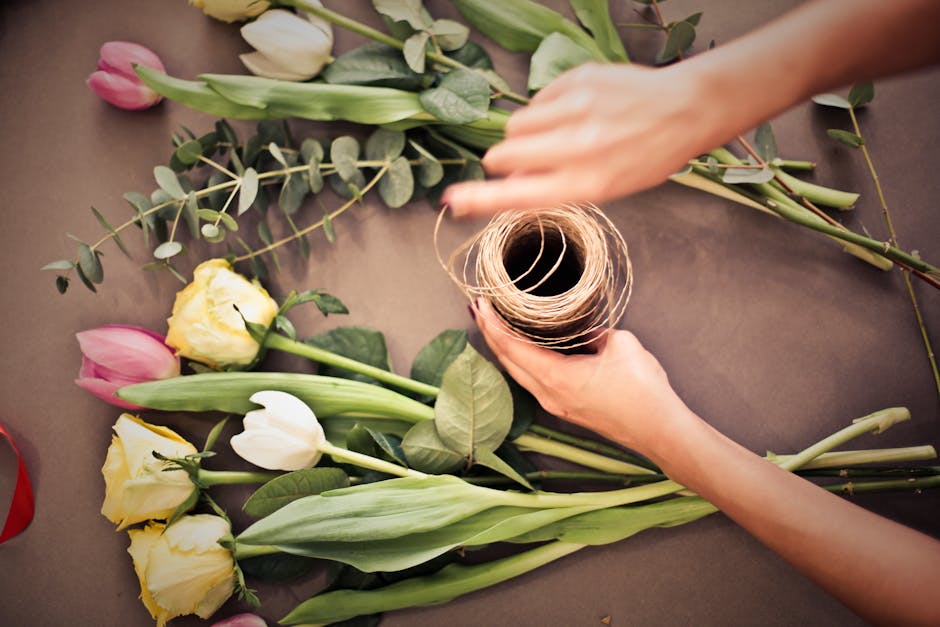
DIY vs Professional Florist: When to Save and When to Hire
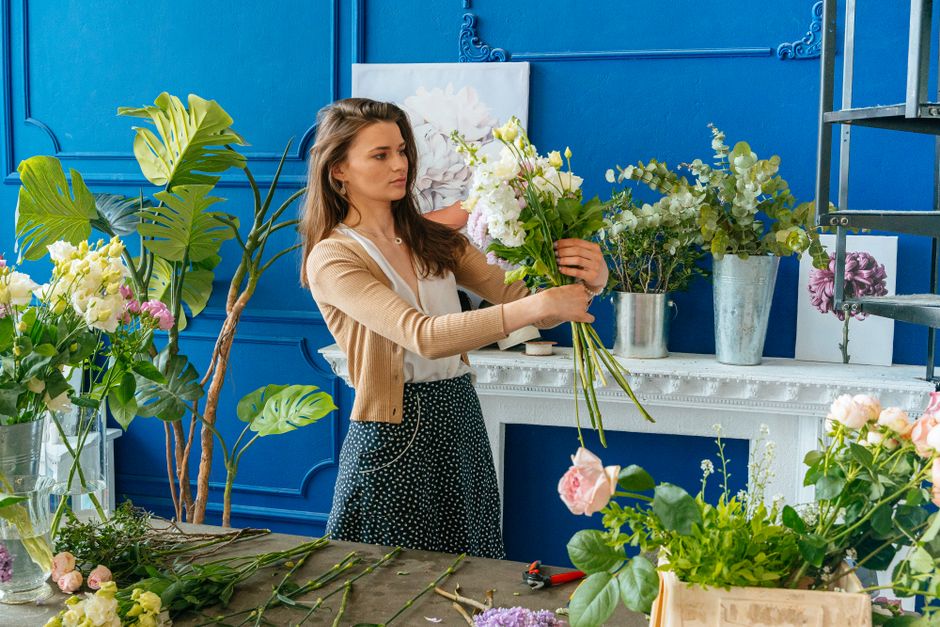
Choosing between a DIY arrangement and a professional florist can feel surprisingly personal. Maybe you want to save money. Maybe you want flowers that look polished in the photos. Or maybe you are standing in the kitchen at 9pm, scissors in hand, wondering whether this is a fun weekend project or a very expensive mistake. Truth be told, both options can be brilliant - but not for the same job.
This guide breaks down DIY vs Professional Florist: When to Save and When to Hire in a practical, no-nonsense way. You will see where DIY makes sense, where a florist is worth every penny, and how to judge the real cost beyond the price tag. By the end, you should be able to make a calm decision instead of a rushed one.
One quick note before we begin: if your flowers need to arrive at a specific time, a dedicated flower delivery service can remove a lot of stress from the process. That matters more than people expect, especially when you are juggling an event, a gift, or both.
Why DIY vs Professional Florist: When to Save and When to Hire Matters
Flowers do more than fill space. They set the tone of a birthday table, soften a wedding venue, make a condolence gesture feel sincere, or turn an ordinary dinner into something memorable. Because flowers are so visible, people often assume the cheapest route is automatically the smartest. Not always.
The real question is not simply "Can I make this myself?" It is "What am I risking if I do?" A DIY bouquet can be beautifully personal, but it also depends on your time, your handling skills, the condition of the stems, and whether you can actually keep everything alive until the event starts. A professional florist brings design judgement, freshness control, and the ability to handle awkward details that sound small right up until they are not.
Let's face it, most people decide too late. They see the flowers, like the flowers, panic about the budget, and then try to reverse-engineer a floral plan from a supermarket trolley. That can work for a casual gathering. It can go sideways fast for anything formal, sentimental, or time-sensitive.
Expert summary: Save with DIY when the setting is simple, flexible, and forgiving. Hire a florist when the event is important, the design has to hold together, or the flowers must look good under pressure.
The reason this matters is simple: flowers have a short life cycle and a lot of visible failure points. A weak stem, poor conditioning, or bad transport can undo the whole arrangement. A florist is not just selling blooms; they are buying you time, consistency, and less chance of last-minute stress. And yes, sometimes that peace of mind is the real product.
How DIY vs Professional Florist: When to Save and When to Hire Works
Understanding the two routes makes the decision much easier. DIY floral work is usually built around a few steps: choosing flowers, trimming and conditioning them, arranging them, and keeping them fresh until use. The process is manageable for hand-tied bunches, table jars, simple centrepieces, or a few home arrangements. It becomes more demanding once you need structure, scale, or a consistent colour story across many pieces.
A professional florist works differently. They are not just arranging flowers one by one. They are planning for stem count, bloom opening time, vase life, transport, venue access, weather, and presentation. If you have ever tried to finish a bouquet while someone is asking where the ribbon went, you already know why systems matter.
In practical terms, the florist route is often better for:
- weddings and formal celebrations
- sympathy flowers and sensitive occasions
- corporate receptions or branded events
- large quantities or multiple matching arrangements
- requests with a specific style, colour palette, or theme
DIY is often better for:
- small home events
- budget-conscious gifting
- rustic or relaxed decor
- personal craft projects
- last-minute arrangements where perfection is not essential
There is also a middle ground, and it is a sensible one. Some people buy the flowers themselves but use florist-style advice for conditioning, colour balance, and vase selection. Others order a few key pieces professionally and do the rest at home. That hybrid approach can be excellent, honestly.
If you are comparing options for a gift or event, the service details on delivery, guarantees, and flower care are worth checking before you commit. Freshness and handling are not glamorous topics, but they make a huge difference.
Key Benefits and Practical Advantages
Each option has real strengths. The goal is not to crown a universal winner. It is to match the job to the right method.
Why DIY can be a smart save
- Lower upfront cost: You control the spend by choosing the flower types, quantity, and vase materials.
- Personal style: DIY arrangements often feel more intimate because you choose every stem.
- Flexibility: You can make changes on the day without renegotiating with anyone.
- Creative control: If you like getting hands-on, it can actually be enjoyable. A little messy, but enjoyable.
Why hiring a florist can be worth it
- Professional finish: A florist understands proportion, balance, and flower movement.
- Less stress: You do not have to source, condition, design, and transport everything yourself.
- Better for complex events: Large installations, statement pieces, and matching arrangements take experience.
- Reliability: A florist plans for timing and presentation in a way DIY often cannot.
There is a hidden benefit here that people miss: a florist can save you from waste. Buying too many stems, choosing flowers that open too fast, or forgetting hydration can make a DIY project more expensive than expected. So the "saving money" part is not always as simple as it looks on paper.
For customers who care about responsible sourcing or business standards, it can also help to review a provider's sustainability and broader policy information such as about us. That does not make the flowers prettier, of course, but it does tell you a lot about the business behind them.
Who This Is For and When It Makes Sense
The short answer? Almost everyone benefits from understanding this choice. The longer answer depends on what you are buying flowers for and how much room you have for imperfection.
DIY is usually a good fit if you are:
- hosting a casual lunch, dinner, or birthday at home
- making a one-off bouquet for yourself or a friend
- comfortable handling fragile items
- working with a modest budget and flexible timing
- happy to accept a slightly looser, less polished result
A professional florist is usually the better fit if you are:
- planning a wedding, engagement, or formal celebration
- ordering sympathy flowers where presentation matters deeply
- coordinating several arrangements at once
- needing exact colours, a defined style, or event branding
- short on time or not confident in flower handling
There is also a confidence factor. Some people genuinely enjoy making arrangements and will do a wonderful job. Others, quite understandably, just want the flowers to arrive, look beautiful, and not demand a second career in floristry. No shame in that at all.
If you are buying for a workplace or a recurring requirement, it may be worth looking at corporate accounts. That is especially useful when you need consistency, easy ordering, and fewer admin headaches. Not exactly thrilling, but wonderfully practical.
Step-by-Step Guidance
If you are still undecided, use a simple decision process. It helps strip out the noise.
- Define the occasion. Is this a relaxed home arrangement or something people will photograph, remember, and talk about?
- Check your timeline. DIY needs setup time. A florist reduces the handling burden.
- Estimate the full cost. Include flowers, vases, tape, ribbon, scissors, transport, and wasted stems.
- Consider your skill level. Have you made arrangements before, or are you learning under pressure?
- Decide how much polish you need. A casual table can be charmingly imperfect. A wedding arch, less so.
- Look at delivery and returns terms. Before ordering, review delivery, payment, and returns and refund details so expectations are clear.
- Choose the route that fits the real-world pressure. If you are already busy, do not add a fiddly floral task just to save a bit of money.
A useful rule of thumb: if the flowers are central to the experience, hire. If they are supportive decor, DIY may be enough. Simple, but it works more often than not.
And when you are arranging them yourself, remember the unglamorous basics. Fresh cut stems, clean water, a stable vase, cool storage, and enough room so the blooms are not crushed against each other. Those basics are boring. They are also the difference between "lovely" and "why does it look tired already?"
Expert Tips for Better Results
Whether you DIY or hire, a few smart habits improve the result immediately.
For DIY arrangements
- Buy fewer flower types, not more. One strong main bloom, one supporting bloom, and some foliage often looks better than a cluttered mix.
- Condition flowers properly. Trim stems cleanly and place them in water quickly.
- Work with the vase, not against it. The shape of the container should guide the arrangement.
- Keep the palette tight. Two or three colours is often enough.
- Leave room for movement. Flowers look more natural when they are not packed like passengers on the last train home.
For hiring a florist
- Bring reference images, but stay flexible. Seasonal substitutions are normal.
- Be honest about budget. A good florist can design to suit it if they know it early.
- Clarify the venue details. Access, table sizes, and setup timing all matter.
- Ask about care after delivery. You want flowers that still look good later in the day, not just at drop-off.
A small but important point: flowers behave differently depending on the room. Warm kitchens, direct sunlight, radiators, and crowded tables can shorten vase life. You notice it most around late afternoon when petals start to droop and the room feels a touch too warm. That is when care suddenly becomes very real.
If you need help keeping arrangements in good shape after they arrive, the practical guidance on flower care is worth a look. Good aftercare is not an extra; it is part of the value.
Common Mistakes to Avoid
A lot of floral disappointment comes from avoidable errors. The good news? Most of them are easy to sidestep once you know they exist.
- Underestimating labour. DIY flowers are not just "buy and place." They need preparation.
- Buying too close to the event. A few hours can make the difference between crisp and sagging.
- Mixing too many styles. Rustic, formal, wild, minimal, romantic - pick one direction and stick with it.
- Ignoring size and scale. Tiny arrangements get lost in large spaces. Oversized ones overpower small tables.
- Forgetting transport. Cars, stairs, heat, and bumps can all damage delicate stems.
- Not checking delivery windows. Especially for gifts or events, timing matters more than people think.
Another classic mistake is treating the florist quote as if it covers only flowers. It often reflects design time, preparation, coordination, seasonal sourcing, and the risk of things going wrong. That is why two arrangements that look "similar" can carry very different prices. The shape may be the same. The job is not.
To be fair, the reverse can also happen: some DIY arrangements look wonderfully natural precisely because they are not overworked. So do not chase perfection for every setting. Sometimes a slightly uneven bunch on a wooden table feels warmer than a formal display. Context matters.
Tools, Resources and Recommendations
You do not need a florist's studio to make better decisions, but a few basics help a lot.
Useful DIY tools
- sharp scissors or floral snips
- clean buckets or containers for conditioning
- glass or ceramic vases in a few sizes
- floral tape or simple supports where needed
- paper towels for spills and stem cleanup
- a cool, shaded holding space
Helpful planning resources
- budget notes, so you can compare DIY spend against a florist quote
- event timing, so you know when flowers need to be ready
- colour references, such as fabric swatches or table settings
- delivery information from the seller, especially if the flowers must arrive fresh and intact
For practical shopping, it also helps to compare service information rather than just the bouquet photo. Pages like guarantees and flower delivery tell you a lot about what happens after you click buy. That is where many floral orders either succeed smoothly or become a bit stressful. You know the feeling.
If you want to understand the company side as well, the policies and background pages - including about us, contact us, and the site's terms and conditions - can help you assess trust and expectations before ordering.
Law, Compliance, Standards, or Best Practice
For most household flower orders, there is no dramatic legal complexity. Still, good practice matters, especially if you are buying for events, workplaces, or customers. In the UK, the main thing is to buy from businesses that present their terms clearly, handle data responsibly, and are transparent about delivery, payments, and returns. That is basic, but worth checking.
From a buyer's point of view, the key best-practice questions are simple:
- Are the payment and refund terms easy to find?
- Is the delivery promise clear?
- Is the business transparent about substitutions or seasonal changes?
- Are care instructions provided after purchase?
- Is there a straightforward way to contact them if something goes wrong?
You may also want to review pages such as privacy policy, cookie policy, and accessibility statement if you are ordering online and want to understand how the website handles your information and usability needs. For some readers that sounds dull; for others, it is exactly the sort of detail that builds confidence. Fair enough.
For business or ethical screening, the modern slavery statement can also be relevant. It is not about flower design, obviously. It is about how seriously a business takes responsibility in its supply chain. That sort of thing matters more than most people think.
Options, Methods, or Comparison Table
Here is the clearest way to compare the two approaches. It is not about winner and loser. It is about fit.
| Factor | DIY Flowers | Professional Florist |
|---|---|---|
| Cost control | Usually lower upfront cost, but waste can creep in | Higher upfront spend, usually more predictable |
| Time needed | More hands-on time for prep and arranging | Less time from the buyer, more handled by the florist |
| Finish | Can be charming, but consistency varies | Generally more polished and balanced |
| Best for | Casual gatherings, small gifts, creative projects | Weddings, formal events, large or high-stakes orders |
| Stress level | Can be fun, or a bit chaotic | Usually lower for the customer |
| Risk | More room for handling errors and timing issues | Less personal control, but more professional oversight |
If you want the simplest possible decision filter, use this:
- Choose DIY when the event is informal, the budget is tight, and you have time to experiment.
- Choose a florist when the flowers are central to the occasion, the look needs to be consistent, or the timing is non-negotiable.
That is the whole thing, really. Not glamorous, but useful.
Case Study or Real-World Example
Imagine two very different scenarios.
First: a Saturday birthday lunch at home. You want a relaxed vase arrangement for the table, maybe something seasonal with soft colours and a few stems of foliage. You have the morning free, a supermarket nearby, and a couple of old glass jars you like. In this case, DIY is sensible. You can keep the style loose, the cost modest, and the result personal. If one stem droops, the whole arrangement survives. No drama.
Now picture a company reception in central London. Guests arrive in stages, photos are being taken, the branding matters, and the table flowers need to look consistent from 6pm onwards. Here, professional help is usually the better choice. The arrangements need planning, transport, and probably a backup strategy. You do not want to be the person replacing wilting blooms while someone is checking their coat. No thanks.
A hybrid approach works well in the middle. One household might order a few professionally prepared flowers for the main focal points and add DIY jars or bud vases around them. That balances cost and quality without asking one method to do everything. Honestly, that is often the smartest route.
For those buying for regular celebrations or gifting patterns, the main website can also be useful for browsing options and understanding the wider service offering at Birthday Flowers. Sometimes the best decision starts with seeing what is already available rather than trying to improvise from scratch.
Practical Checklist
Use this checklist before you decide.
- Have I defined the occasion clearly?
- Do I need a polished finish, or is a relaxed look fine?
- Do I have time to source, prep, arrange, and transport the flowers?
- Am I comfortable with the risk of mistakes?
- Will the flowers need to last for several hours or more?
- Is the event high stakes emotionally or socially?
- Have I checked delivery, payment, and refund details if ordering online?
- Do I know how to care for the flowers after they arrive?
- Is there a sensible middle ground, such as a hybrid setup?
- Would spending more now save stress later?
If you can answer those confidently, the choice usually becomes obvious. And if it is still a bit fuzzy, that is okay too. Sometimes the right answer is simply the one that keeps the day calm.
Conclusion
The best way to think about DIY vs Professional Florist: When to Save and When to Hire is this: DIY gives you control, creativity, and savings when the stakes are low enough to allow flexibility. A professional florist gives you consistency, time back, and a higher level of finish when the occasion really matters.
Saving money is great. So is avoiding a rushed arrangement that looks tired before the guests arrive. The smartest choice is rarely the cheapest one on paper; it is the one that fits the moment properly. If that means making flowers yourself for a quiet dinner, brilliant. If it means hiring help so you can actually enjoy the event, that is equally sensible.
Get a free quote today and see how much you can save.
Whatever route you choose, give the flowers the respect they deserve. They are small things, really, but they have a way of making a room feel cared for.
Frequently Asked Questions
Is DIY flower arranging actually cheaper than hiring a florist?
Usually, yes - but not always. DIY can be cheaper upfront, yet the final cost can rise if you buy too many stems, need extra supplies, or waste flowers through poor handling. A florist may cost more at the start, but the price often includes experience, consistency, and less waste.
When should I definitely hire a professional florist?
Hire a florist for weddings, large events, sympathy flowers, corporate functions, or any occasion where the presentation needs to be dependable. If the flowers are central to the day, hiring is usually the safer choice.
What flowers are easiest for beginners to arrange yourself?
Beginners often do well with sturdy seasonal flowers, simple greenery, and a limited colour palette. The easier the stem to handle, the less likely it is to collapse while you are learning. Keep the design simple. Really simple.
How far in advance should I order from a florist?
That depends on the occasion and how busy the period is, but earlier is almost always better. Special events need more lead time than a standard gift order. If timing matters, confirm delivery details early and avoid leaving it to the last minute.
Can I mix DIY flowers with florist flowers?
Yes, and it is often a very good idea. Many people hire a florist for the main arrangements and use DIY for smaller jars, table accents, or personal touches. That hybrid approach can give you the best of both worlds.
What are the biggest risks of DIY flowers?
The biggest risks are poor freshness, bad timing, weak structure, and underestimating how much work the arrangement needs. Transport can also be a problem if you are carrying delicate flowers in a hot car or a crowded boot.
How do I know if a florist quote is fair?
Compare what is included, not just the headline price. Look at design time, delivery, setup, scale, flower choice, and care instructions. A quote that seems higher may still be better value if it covers more of the job.
Do professional florists always use more expensive flowers?
No. A good florist can make seasonal, modest flowers look beautiful through shape, placement, and balance. Expensive blooms are not the only route to a strong result. Skill matters a lot.
What should I check before ordering flowers online?
Check delivery information, payment options, refund terms, care advice, and any guarantees. It is also sensible to review the company's background and policies so you know what happens if something needs attention after purchase.
Is it worth paying for delivery if I am already saving money by doing DIY?
Sometimes yes, because delivery can protect the flowers from damage and save you time. If the flowers need to arrive fresh, on schedule, and without fuss, delivery may be one of the most useful parts of the order.
How can I make DIY flowers look more professional?
Use fewer flower types, keep the colour palette tight, trim stems properly, choose the right vase, and leave enough space for the flowers to breathe. A clean, restrained arrangement often looks more polished than a crowded one.
What if I am still not sure which option to choose?
Ask yourself one question: what would cost more if it went wrong, the money or the stress? If the answer is stress, hire a florist. If the answer is money and the event is informal, DIY may be enough. That usually clears it up fast.