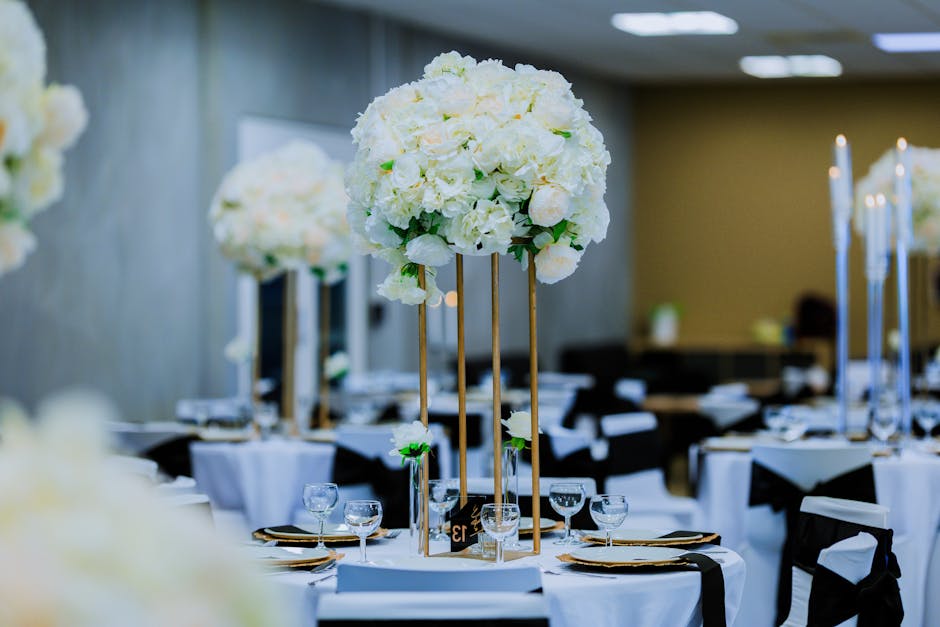
Flower Hire vs Purchase Prices for Events Across the UK
Planning event flowers sounds simple until you start comparing quotes. One supplier talks about flower hire, another sells arrangements outright, and suddenly the numbers do not line up at all. If you are weighing up Flower Hire vs Purchase Prices for Events Across the UK, the real question is not just "which is cheaper?" It is also about setup, removal, reuse, seasonal availability, transport, and how much work you want to carry on the day.
That matters whether you are organising a wedding in Surrey, a product launch in Manchester, or a black-tie dinner in central London. The same bloom can behave very differently on a hire model than on a purchase model. And yes, the final bill can shift quite a bit depending on the scale of the event, the style you want, and how long the flowers need to stay looking fresh.
This guide breaks down the cost logic in plain English. You will see where flower hire makes sense, when buying is the smarter call, and how to compare offers without getting caught out by the little extras. No fluff. Just the practical stuff that helps you make a decent decision.
Table of Contents
- Why Flower Hire vs Purchase Prices for Events Across the UK Matters
- How Flower Hire vs Purchase Prices for Events Across the UK Works
- Key Benefits and Practical Advantages
- Who This Is For and When It Makes Sense
- Step-by-Step Guidance
- Expert Tips for Better Results
- Common Mistakes to Avoid
- Tools, Resources and Recommendations
- Law, Compliance, Standards, or Best Practice
- Options, Methods, or Comparison Table
- Case Study or Real-World Example
- Practical Checklist
- Conclusion
- Frequently Asked Questions
Why Flower Hire vs Purchase Prices for Events Across the UK Matters
At first glance, hiring flowers and buying flowers can look like two versions of the same thing. They are not. The pricing model changes the entire shape of the project. Hire usually means flowers, containers, mechanics, delivery, setup, and collection are bundled into a temporary use arrangement. Purchase usually means you own the arrangements once delivered, and any onward use, repurposing, or disposal sits with you.
That difference matters for budget planning. A hire quote may appear higher at the start, but it can include logistics that would otherwise sit in separate line items. A purchase quote may seem simpler, yet once you add transport, staffing, and possible waste, it can climb fast. Truth be told, lots of event planners only spot the difference after they have compared a few invoices and wondered where the rest of the money went.
For UK events, the decision also affects practicalities like venue access, road restrictions in city centres, limited bump-in windows, and how quickly flowers need to be installed and removed. If your venue wants everything cleared by 11 p.m., hire can be a relief. If your event stretches over several days, purchase may offer more flexibility. Different event formats, different maths.
There is another layer too: presentation. Hire providers often build displays designed to look full and polished for a fixed period. Purchase can give you more freedom to keep arrangements after the event, donate them, or reuse them elsewhere. Neither is automatically better. It depends what you need the flowers to do.
How Flower Hire vs Purchase Prices for Events Across the UK Works
Let's strip it back to the basics. With flower hire, you are typically paying for the temporary use of floral designs, vases, pedestals, arches, plinths, table pieces, or larger installations. The supplier owns the materials and often returns to collect them after the event. Some hire packages also include maintenance, such as refreshing water or replacing tired stems where needed, though this depends on the provider.
With flower purchase, you are buying the arrangements outright. The florist creates and delivers them, and they are yours to keep. That can work well for smaller celebrations, home-based events, corporate gifting, or situations where the flowers can be repurposed after the main occasion. It also suits anyone who wants full ownership without collection logistics.
Pricing usually reflects a few major variables:
- Flower choice - premium stems, out-of-season flowers, and imported blooms usually cost more.
- Scale - large installations, long banquet tables, or multiple ceremony spaces increase both labour and materials.
- Complexity - tall structures, hanging pieces, and bespoke designs take more time to build and install.
- Logistics - delivery distance, parking access, timed drop-offs, and venue rules can all add cost.
- Duration - multi-day events may favour purchase unless the hire package is designed for extended use.
A good way to think about it: hire is closer to a service model, while purchase is closer to a product model. But in the floral world, the line is not always neat. A bought arrangement can still involve setup charges. A hire package can still involve custom creative fees. The quote only makes sense when you read the scope properly.
If you are arranging flowers as part of a broader event plan, it is worth checking practical pages such as flower delivery options and the site's delivery information so you understand timing and handover expectations. A missed loading bay slot can undo a very pretty plan. Happens more often than people like to admit.
Key Benefits and Practical Advantages
Both models have real strengths. The trick is matching the model to the event, not forcing the event to fit the model.
Why hire can be the better fit
- Lower hassle on the day - collection is usually handled by the supplier.
- Better for large installs - ceremonies, entrances, stage backdrops, and statement tables often suit hire.
- Cleaner budget control - many hire quotes bundle multiple service elements.
- Less waste after the event - useful if you do not want to store or dispose of large volumes of flowers.
- Polished look for a short window - ideal when flowers only need to perform for a few hours.
Why buying can be the better fit
- Full ownership - you can reuse or gift the flowers after the event.
- More flexible use - works well for multi-day occasions and at-home follow-up gatherings.
- Simpler for smaller budgets - especially when you only need a handful of arrangements.
- Better for charity donations or take-home gifts - nothing to collect later if guests want them.
- Less dependence on return logistics - which can be handy for venues with awkward access.
There is also an emotional side. Some hosts like the idea that the flowers continue their life after the event. Others just want the room to look beautiful and have the mess gone by morning. Both are fair. Frankly, that feeling on the day matters more than a spreadsheet sometimes.
Expert summary: hire usually pays you back in convenience and scale, while purchase usually pays you back in ownership and flexibility. The cheaper option is not always the simpler one, and the simpler one is not always the cheapest.
Who This Is For and When It Makes Sense
This comparison is useful for a fairly wide range of people, but the decision tends to be clearest in a few common scenarios.
Flower hire tends to make sense for:
- Wedding couples planning large ceremony or reception installs
- Event agencies managing high-turnover corporate events
- Hotels and venues creating a premium look without keeping stock
- Launch events, awards nights, and conferences with one-night use
- Anyone needing dramatic impact for a short period
Buying tends to make sense for:
- Smaller private events where the decor is modest
- Multi-day events with repeated use of the same arrangements
- Hosts who want to redistribute flowers afterwards
- Corporate teams ordering flowers for office spaces or gifting
- Clients who prefer a one-off purchase rather than a return process
In our experience, the strongest buying case is often not the cheapest quote on paper, but the one that avoids extra delivery and collection friction. The strongest hire case is usually where the visual ambition is high and the event window is short. A dinner that starts at 7 p.m. and ends after midnight is a very different animal from a weekend event that stretches into Sunday brunch.
If you are managing repeat orders for work or a venue, you may also want to explore corporate accounts. That is especially helpful when floral needs recur through the year and someone has to keep track of invoices without losing the will to live.
Step-by-Step Guidance
If you are comparing flower hire and purchase prices properly, do not start with the quote total. Start with the event requirements. That sounds obvious, but a lot of people skip it and then spend the next week untangling apples from pears.
- Define the event length. Is the floral display needed for a few hours, a full day, or several days?
- List the actual spaces. Ceremony entrance, aisle, stage, welcome desk, dining tables, bar area, photo wall. Write them down.
- Decide what must be rented and what can be owned. You might hire the large statement pieces and buy the smaller table flowers.
- Ask what is included. Delivery, installation, removal, water tubes, candles, holders, vases, foam-free mechanics, and emergency replacement policies all matter.
- Check venue access. Loading bays, lift restrictions, parking charges, and setup windows can affect the price more than the flowers themselves.
- Compare like for like. A hire quote with setup and collection is not the same as a purchase quote without labour.
- Plan the post-event outcome. Do you want to keep the arrangements, repurpose them, donate them, or let the supplier collect them?
A good florist or event supplier should be able to explain where the value sits. If they cannot, ask again. Calmly, but firmly. You are not being difficult; you are protecting the budget.
It also helps to think in stages. For a larger wedding, for example, you might buy bouquets and smaller arrangements because they can be moved to the reception, while hiring the bigger structures for the ceremony. That hybrid approach often gives the best balance of price and convenience.
Expert Tips for Better Results
A few practical habits can save a surprising amount of money and stress.
- Be honest about your budget ceiling. Good suppliers can design around a number if they know it early.
- Use seasonal blooms where possible. Seasonal flowers usually offer better value and look less forced.
- Limit duplication. A dramatic entrance piece and four matching smaller pieces may be enough; you do not need everything screaming for attention.
- Consider re-use paths. Ask whether arrangements can move from ceremony to dinner, or from dinner to gifting.
- Check the venue temperature. Warm rooms, direct sun, and long transport times all affect freshness.
- Ask for realistic photos. Not just the "best of the best" shot. Ask what the design looks like in ordinary light.
- Protect your timing. Flowers tend to look best when they are installed as close to the event as possible.
One small but useful detail: if you are comparing older quotes and newer ones, ask whether the delivery window or installation assumption has changed. A quote from a quiet Tuesday in February can be wildly different from a Saturday in peak wedding season. That is normal, but it catches people out.
And yes, it is perfectly fine to ask a supplier, "What would you remove to get this under budget?" That question often reveals the smartest adjustment in the room. Sometimes the answer is one giant feature piece. Sometimes it is a dozen small items nobody will miss anyway.
Common Mistakes to Avoid
Most flower budget problems are not dramatic. They are small, ordinary mistakes that stack up.
1. Comparing only the headline price
A cheaper quote can become more expensive if it leaves out setup, return collection, or essential containers. Always compare scope, not just totals.
2. Forgetting the event timeline
Hire is often best for short, fixed-time events. Purchase can make more sense if the flowers need to last beyond the party. If you ignore duration, the model can feel wrong from the start.
3. Over-ordering "just in case"
People often overestimate how many flowers they need, especially for table decor. Too many arrangements can make a room feel crowded, not elegant.
4. Underestimating venue rules
Some venues limit access times, forbid certain mechanics, or require pre-booked unloading. This is where good planning saves the day.
5. Choosing flowers that fight the season
You can ask for almost anything, but some stems will cost more because they have to travel further or are less available. It is rarely worth forcing the issue unless the flower has real meaning.
6. Not asking what happens after the event
If you hire, make sure the collection process is clearly agreed. If you buy, decide who takes the flowers home or where they will go. Sounds small, but it matters at 11:30 p.m. when everyone is tired and there are buckets everywhere.
Tools, Resources and Recommendations
You do not need specialist software to make a sensible decision, but a few simple tools help a lot.
- A floor plan or room sketch - even a rough one helps you map where flowers will actually go.
- A short event schedule - so you can match delivery and setup to the real timeline.
- A priority list - must-have, nice-to-have, and cut-if-needed items.
- A simple comparison sheet - one column for hire, one for purchase, and one for hidden extras.
- Supplier policy pages - useful for understanding what happens with payment, changes, or returns.
If you are booking through a trusted online florist, it is worth reviewing practical pages like payment information, returns and refund guidance, and guarantees. That is not glamorous reading, but it can save awkward surprises later.
You may also want to understand how the flowers will be cared for after delivery. A quick look at flower care advice can help if you are buying arrangements that need to last through a long event or travel between venues.
Law, Compliance, Standards, or Best Practice
For flower hire versus purchase, there is usually no special law that decides which model you must use. What does matter is good event practice, clear commercial terms, and sensible handling of the arrangements once they arrive.
In the UK, venues often have their own access, fire safety, and setup requirements. Some may restrict open flames, wall fixings, or installation times. If your floral plan includes candles, large structures, or hanging elements, the venue's rules matter just as much as the flower quote. Best practice is to get this agreed early, preferably in writing.
From a buying perspective, make sure the supplier's terms are clear on delivery windows, substitutions, liability for damage in transit, and what happens if arrangements arrive late or are not suitable. For hired items, the return schedule and collection responsibilities should be equally clear. No one likes ambiguity when a lorry is waiting outside.
It is also sensible to think about sustainability in a practical way, not a slogan-y way. Reusable containers, foam-free mechanics where appropriate, and repurposing flowers after the event can all reduce waste. If environmental considerations matter to you, the supplier's sustainability information is worth a look.
Finally, if you are sharing personal details, event dates, or payment information online, take a moment to review site policies such as privacy policy, terms and conditions, and cookie policy. Not exciting, granted, but very sensible.
Options, Methods, or Comparison Table
The cleanest way to compare the two is by use case. Here is a practical view rather than a fantasy one.
| Factor | Flower Hire | Flower Purchase |
|---|---|---|
| Upfront cost structure | Often includes design, delivery, setup, and collection | Usually pays for the flowers and arrangement only, with extras added separately if needed |
| Best for | Large events, short-use installations, statement decor | Smaller events, gifts, multi-day use, repurposing |
| Ownership | Supplier keeps the arrangements | You keep them |
| Logistics | Less responsibility after the event | More flexibility, but you manage what happens afterwards |
| Waste management | Often lower on your side, because collection is built in | You need a plan for storage, gifting, or disposal |
| Flexibility | Excellent for fixed event windows | Better if flowers must serve multiple purposes |
| Risk points | Collection timing, venue access, damage during event | Freshness, transport, and post-event care |
The table is useful, but there is a simple rule of thumb hiding underneath it: if the flowers only need to look brilliant for a defined moment, hire is often strong value. If the flowers need a second life, purchase tends to win on flexibility. Not always on price, but often on usefulness.
Case Study or Real-World Example
Imagine a 180-guest evening event in Birmingham with a ceremony in one room and dinner in another. The couple wants a full floral entrance, a statement backdrop, and table arrangements that look lush in low light. A hire-led approach could work well here because the large structures are expensive to buy, awkward to move, and only needed for a single night.
Now imagine the same budget applied to a smaller countryside celebration in Yorkshire. The couple wants a few bouquets, modest table flowers, and arrangements they can take home or give to family the next day. In that case, purchase may offer better value because the flowers can be reused and the logistics are simpler.
Here is the interesting bit. In both cases, the "cheaper" option is not obvious until the event shape is understood. The Birmingham event may justify higher spend because the visual impact is central to the experience. The Yorkshire event may feel overcooked if it leans too heavily into hire for pieces nobody will see for long. Different rooms, different priorities.
I once saw a planner cut costs simply by moving a few purchased arrangements from ceremony to dinner instead of ordering extra decor for both spaces. Small change, big difference. That kind of decision is not glamorous, but it is exactly where the value lives.
Practical Checklist
Use this before you commit to a hire or purchase quote.
- Have I defined the event date, duration, and venue access times?
- Do I know which spaces need flowers and which do not?
- Have I compared hire and purchase quotes on the same scope?
- Are delivery, setup, and collection included or charged separately?
- Do I understand what happens if something arrives late or damaged?
- Will the flowers be reused, gifted, donated, or collected after the event?
- Have I chosen flowers that fit the season and budget?
- Have I checked venue rules on installation, candles, and access?
- Do I need support for a repeat order or business account?
- Have I reviewed payment, returns, guarantees, and care information?
If you can tick most of those off, you are in decent shape. If not, pause for a moment and tighten the brief before spending more. That one pause can save a lot of regret later.
Get a free quote today and see how much you can save.
Conclusion
Flower hire vs purchase is not really a battle. It is a matching exercise. Hire tends to suit short, high-impact events where convenience and installation support matter. Purchase tends to suit flexible, smaller, or multi-use situations where ownership adds value.
The smartest decision usually comes from asking a few grounded questions: how long do the flowers need to last, who handles the logistics, what happens afterwards, and what is actually included in the quote? Once you answer those, the pricing becomes much easier to judge. And honestly, the best floral plans are rarely the fanciest ones. They are the ones that feel calm on the day, look beautiful in the room, and do not create chaos behind the scenes.
Choose the option that fits the event, not just the invoice. That is where the real value is.
Frequently Asked Questions
Is flower hire usually cheaper than buying flowers for an event?
Not always. Hire can look more expensive upfront because it often includes setup and collection, but it may save money where large installations or short-term use are involved. Buying can be cheaper for small, simple arrangements.
What is the main difference between flower hire and flower purchase?
Hire is temporary use: the supplier provides the flowers and takes them back afterwards. Purchase means you own the arrangements and decide what happens to them after the event.
Which option is better for weddings in the UK?
It depends on the scale and style of the wedding. Hire often suits larger ceremony and reception displays. Purchase often suits smaller weddings, multi-use arrangements, or couples who want to keep the flowers afterwards.
Do hire quotes usually include delivery and setup?
Often they do, but not always. Always check the quote carefully. Some suppliers bundle delivery, installation, and collection, while others charge those items separately.
Can purchased flowers be reused after the event?
Yes, if they are still fresh enough. Many people move purchased arrangements from ceremony to reception, take them home, or gift them to guests. That flexibility is one of the biggest advantages of buying.
What should I ask before agreeing to a flower hire quote?
Ask what is included, when setup and collection happen, what happens if timings change, and whether there are any charges for damage or late access. Those are the questions that matter when the event day gets busy.
Are hired flowers better for large corporate events?
Often yes, especially when the event is short and presentation matters more than long-term use. Hire can be a neat fit for conferences, launches, and awards nights where the decor needs to be consistent and cleared quickly.
How do I compare hire and purchase prices fairly?
Compare the same scope. Look at the number of arrangements, flower types, delivery, setup, removal, vase hire, and any extras. A cheap quote that excludes half the job is not really cheaper.
What hidden costs should I watch for?
Common ones include delivery surcharges, out-of-hours setup, venue access fees, collection charges, container hire, and premium flower substitutions. These can change the final total quite a bit.
Does seasonality affect hire and purchase prices?
Yes. Seasonal flowers usually cost less and are easier to source, whether you are hiring or buying. Out-of-season blooms often cost more because of sourcing and transport.
What happens if the venue has strict access rules?
That can affect both hire and purchase. A tight loading window, limited parking, or lift restrictions may increase labour or transport costs. Make sure your supplier knows the venue rules early.
Where can I check the service details before booking?
It helps to review the supplier's public information pages, including about us, contact us, and the policy pages linked earlier. Clear information usually signals a more organised booking process.
In the end, the right floral choice should make the day feel easier, not harder. That is the bit people remember. The room, the mood, the quiet little moment when everything just works.