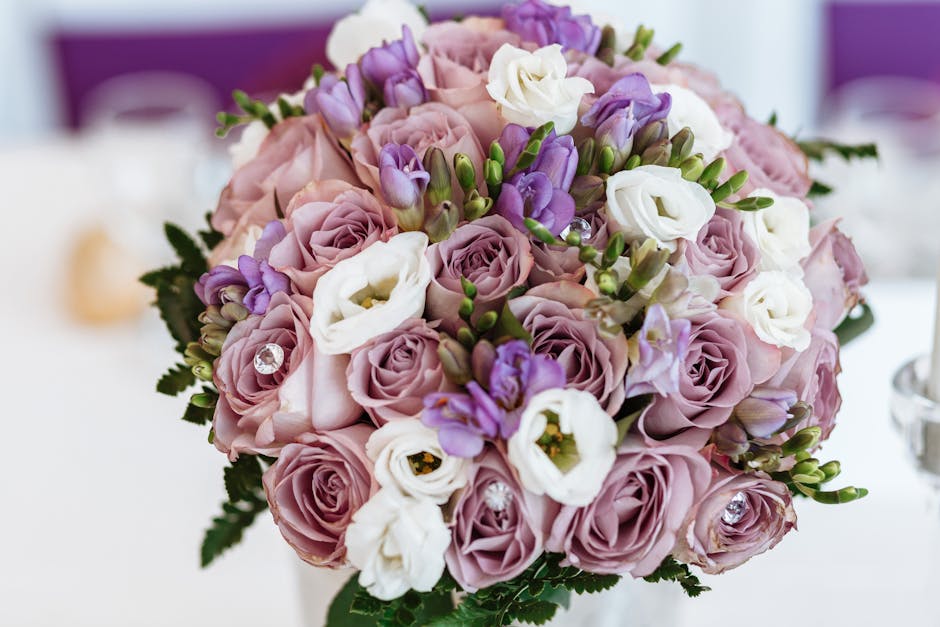
How Florists Keep Wedding Flowers Fresh All Day
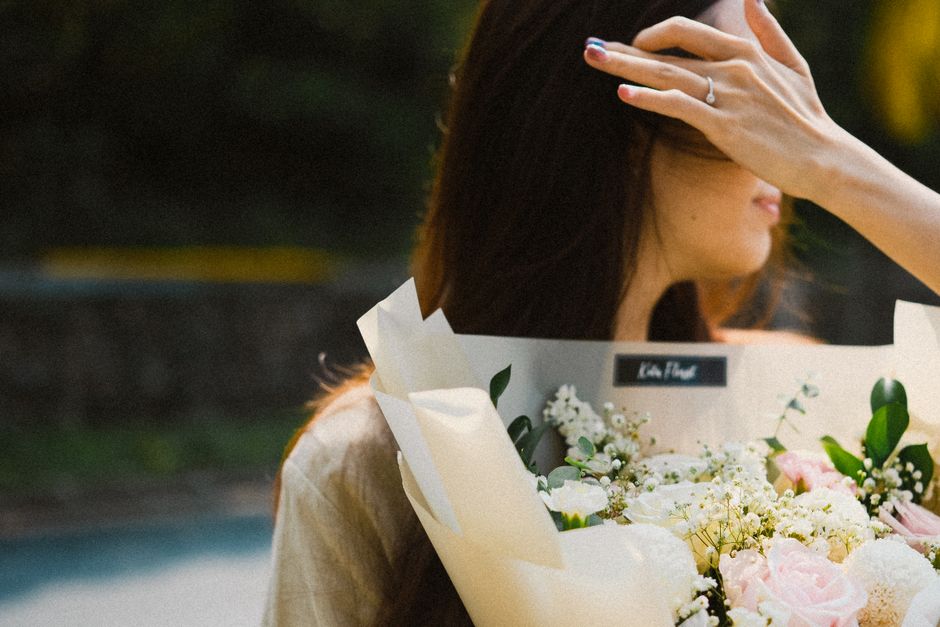
Wedding flowers have a tough job. They need to look soft and beautiful at the ceremony, stay crisp through confetti, travel between venues if needed, and still look good when the evening light comes on. So how do florists actually pull that off? How Florists Keep Wedding Flowers Fresh All Day comes down to a mix of smart preparation, temperature control, careful timing, and a few small habits that make a big difference. The flowers are not just arranged and hoped for. They are managed, protected, and checked, often right up to the last possible moment.
If you have ever seen a bridal bouquet sit perfectly fresh after hours of photos, hugs, and a packed reception, there is a reason. Experienced florists plan for heat, handling, travel, and hydration long before the aisle walk begins. Below, you will find the practical methods behind that work, plus the mistakes that spoil flowers quickly and the checks that keep everything looking calm and polished. And yes, a lot of it is just good old-fashioned attention to detail.
Why How Florists Keep Wedding Flowers Fresh All Day Matters
Fresh wedding flowers do more than look pretty. They hold the whole design together. A bouquet that droops halfway through the day can make the bride feel self-conscious. Table arrangements that fade before the speeches lose their impact. Buttonholes that bruise or wilt can look tired in photographs, and wedding photos last long after the cake has gone. That is the real reason this matters.
Florists are not only arranging stems; they are protecting an experience. There is a practical side too. Fresh flowers photograph better, smell better, and hold their shape better under changing room conditions. A cool church in the morning, a warm marquee at lunchtime, and a crowded dance floor by evening all put flowers under pressure. Anyone planning a wedding, whether big and formal or small and relaxed, should understand that freshness is a process, not an accident.
In our experience, the weddings that go most smoothly are the ones where the florist has built in a buffer. Not a dramatic one. Just enough to account for a delayed bus, a warm patch of sunlight, or that one cousin who keeps moving the centrepieces about. It happens. Flowers need a bit of resilience.
How How Florists Keep Wedding Flowers Fresh All Day Works
The short version is this: florists manage water, temperature, timing, and physical protection. The longer version is where the skill lives. Different flowers behave differently. Roses, hydrangeas, tulips, orchids, and delicate seasonal blooms all have their own preferences. Some drink fast, some dislike heat, and some bruise if handled too much. Good florists build their designs around those needs.
The process usually starts well before the wedding day. Stems are conditioned in clean water, foliage is stripped from the lower stem, and flowers are stored in a cool place so they do not open too quickly. On the day itself, bouquets and arrangements are assembled as late as sensible. That timing matters because a flower made up at 7 a.m. has a much longer day to survive than one finished at midday for an afternoon ceremony.
Hydration is the backbone of the whole thing. Florists may use water tubes, soaked foam, clean buckets, or wrapped stems depending on the design. Some arrangements are kept in water until the final placement, while others are misted lightly or boxed for protection. If you are wondering why some wedding flowers look almost impossibly perky at 8 p.m., the answer is usually that they never got too hot, too dry, or too crushed in transit.
Delivery timing also plays a big part. A reliable schedule keeps flowers out of the car for less time and reduces temperature shock. If the wedding is part of a broader delivery plan, it helps to understand a florist's general approach to flower delivery and the kind of care that sits behind it. For the flowers themselves, the same careful handling principles apply from the shop to the venue.
There is a small truth here that is easy to miss: freshness is rarely one single trick. It is a chain of decent decisions. Break one link, and you often notice it by mid-afternoon.
Key Benefits and Practical Advantages
Keeping wedding flowers fresh all day brings both visual and emotional benefits. The obvious one is appearance. Crisp petals, upright stems, and clean foliage look elegant in person and on camera. But there is more going on than style.
- Better photos: fresh flowers catch light more cleanly and keep their shape during portraits, ceremony shots, and candid moments.
- Lower stress: when the florist has done the technical work, the couple is less likely to worry about wilting bouquets or sagging centrepieces.
- Longer display life: arrangements may continue looking presentable into the next morning, depending on flower type and room conditions.
- More flexibility: well-managed flowers can handle venue changes, transport, and delays more gracefully.
- Better value: the arrangement stays attractive for longer, which matters when the flowers are a major part of the wedding design.
There is also a quieter benefit. Fresh flowers help the whole space feel cared for. Guests notice it even if they do not say so out loud. A room with tired blooms can feel a bit off. A room with healthy, well-finished flowers feels like someone really thought it through.
For couples who want support from a florist that also thinks carefully about standards and customer care, it can be useful to review pages like guarantees and flower care. Those pages do not replace wedding-specific planning, but they do show the sort of aftercare mindset that matters.
Who This Is For and When It Makes Sense
This topic matters most for couples planning a wedding, but it is also useful for venue managers, wedding planners, photographers, and family members who want to understand what good floral support looks like. If you are arranging your own flowers, you need this knowledge. If you are hiring someone, it helps you ask better questions. If you are in a venue role, it helps you set realistic expectations for storage, access, and timing.
It makes particular sense when:
- the wedding runs over many hours
- flowers need to travel between ceremony and reception venues
- the event takes place in warm weather or a bright conservatory-style room
- the couple wants delicate blooms that are naturally more sensitive
- photography is a major priority and floral presentation matters throughout the day
To be fair, even modest weddings benefit from proper flower handling. You do not need a lavish ballroom setup for freshness to matter. A simple registry office bouquet and a few table arrangements can still be let down by poor prep. The difference is just more visible when the design is minimal.
If the flowers are part of a larger order or business account, some buyers also use pages like corporate accounts to manage recurring purchases or event needs. That is not wedding-specific, of course, but it shows how organised ordering can reduce last-minute chaos.
Step-by-Step Guidance
Here is the practical workflow most experienced florists follow, with a few reality checks along the way.
- Choose flowers with staying power. Some blooms are naturally hardier than others. Florists often balance delicate flowers with sturdier support flowers so the overall design lasts longer.
- Condition stems early. Stems are cut cleanly, foliage is removed below the waterline, and flowers are placed in clean water to hydrate properly. That simple part is not glamorous, but it is non-negotiable.
- Store them cool and dark when possible. Heat speeds up opening and dehydration. A cool preparation area gives flowers a better start.
- Build arrangements as late as the schedule allows. The less time flowers spend outside water or protective packaging, the better.
- Use the right mechanics. Bridal bouquets may use water tubes or moisture-retaining wraps; table pieces may sit in vases or containers that maintain hydration.
- Protect during transport. Boxes, supports, and careful loading prevent bruising and crushing. Flowers hate being rattled about. Honestly, who doesn't?
- Place arrangements away from direct sun and heat. Radiators, windowsills, car boots in summer, and kitchen pass-through areas can all shorten lifespan quickly.
- Refresh at key moments. Some florists make discreet adjustments before the ceremony, after photographs, or before the reception room is opened.
One thing couples often miss is venue timing. If the ceremony starts at 1 p.m. but guests do not sit for lunch until 4 p.m., the flowers need to stay presentable for a long stretch. That gap is where preparation really proves itself. You do not want the bouquet doing all the heavy lifting alone.
Expert Tips for Better Results
These are the little things that tend to separate acceptable wedding flowers from flowers that still look lovely when the speeches run long and someone opens a door to the summer heat.
- Ask about flower variety choices early. If the day is likely to be warm, build the design around sturdier blooms and fewer ultra-sensitive stems.
- Request staged delivery if needed. Some arrangements are best delivered in phases, so the most delicate pieces are not sitting around too long.
- Keep bouquets out of direct handling. It sounds obvious, but everyone wants to hold the bouquet. Photos, hugs, then more photos. A little restraint helps.
- Plan for venue temperature swings. Marquees, barns, converted warehouses, and sunny conservatories all behave differently. A florist who asks about this is doing the right thing.
- Use clean containers and fresh water. This one is unglamorous but huge. Dirty water shortens vase life faster than many people expect.
- Keep spare stems or backup pieces. For important displays, a florist may bring a few extras in case one stem bruises or opens too fast.
Sometimes the simplest advice is the best: keep flowers cool, hydrated, and handled less. That is the boring answer. It is also the winning one.
If you want to understand how a florist approaches aftercare beyond weddings, the site's flower care guidance is a sensible place to start. And if you are checking customer reassurance before ordering, guarantees can help set expectations clearly.
Common Mistakes to Avoid
Fresh wedding flowers usually fail for predictable reasons. The good news is that most of them are avoidable.
- Arranging too early: flowers made up too far in advance can be tired before the event even begins.
- Leaving flowers in hot cars: this is a classic mistake, and it really does matter. A few minutes can make a difference on a warm day.
- Using the wrong flowers for the conditions: not every bloom is suitable for every venue or season.
- Overhandling the stems: bruising petals and crushing blooms are easy to do when people keep moving arrangements around.
- Ignoring room temperature: flowers in a sunny window or near heaters fade faster, even if they looked fine ten minutes earlier.
- Forgetting the journey between spaces: ceremony flowers may look perfect where they started and less perfect by the reception if transport was rough.
One of the most common slip-ups is assuming flowers only need to look good at the ceremony. In reality, they need to survive the whole story of the day. From the morning prep room to the last dance, they are on duty. Hard job, really.
Tools, Resources and Recommendations
Florists rely on a fairly practical toolkit. There is nothing magical about it, which is reassuring in a way. It is mostly about using the right items consistently.
| Tool or method | What it helps with | Best use |
|---|---|---|
| Clean buckets and fresh water | Hydration and stem conditioning | Early prep and storage |
| Floral foam or water-based mechanics | Holding and feeding arrangements | Centerpieces and display work |
| Water tubes | Direct hydration for individual stems | Bouquets, buttonholes, delicate stems |
| Protective boxes | Transport safety | Delivery between shop and venue |
| Cool storage | Slower opening and less stress on blooms | Pre-event holding |
| Sharp florist snips | Clean stem cuts for better water uptake | Preparation and refresh cuts |
For couples comparing options, the most useful recommendations are often the plainest ones. Ask whether flowers will be conditioned, how they will be transported, what the backup plan is if the day runs late, and whether the florist has experience with your type of venue. Those questions sound simple because they are simple. But they matter.
On the practical side of ordering and payment, it is also wise to skim the relevant payment information, as well as the returns and refund policy if you are reviewing any conditions before booking. Weddings are emotional enough without confusion over admin, let's face it.
Law, Compliance, Standards, or Best Practice
Wedding flower freshness is mostly about best practice rather than heavy regulation, but a professional florist still has responsibilities. In the UK, businesses are expected to handle orders clearly, treat customers fairly, and keep arrangements safe and suitable for the agreed purpose. Exact obligations depend on the order, the business structure, and the contract terms, so it is sensible to read the small print rather than assume everything works one way.
Where temperature-sensitive products are involved, good hygiene and sensible storage are common-sense standards. Clean vessels, fresh water, tidy prep areas, and careful transport are all part of professional practice. For transparent customer information, pages such as terms and conditions, privacy policy, and accessibility statement help show how a business handles orders, data, and usability. They are not about flower freshness directly, but they matter when you are choosing who to trust.
There is also an ethical side to supply. If sustainability matters to you, it is worth understanding how flowers are sourced, packaged, and delivered. You can usually get a feel for that from a florist's sustainability information and broader company details such as about us and modern slavery statement. Not every couple will ask those questions, but more people are now doing so, and fairly enough.
For logistical clarity, delivery expectations matter too. A florist's delivery information and wider flower delivery approach can help you judge whether the flowers are likely to arrive in good condition and on time. That can make all the difference on a wedding morning.
Options, Methods, or Comparison Table
Not every wedding flower needs the same care method. Here is a simple comparison of common approaches.
| Method | Strengths | Trade-offs | Best for |
|---|---|---|---|
| Fresh-cut stems in water | Excellent hydration, natural look | Needs secure containers and careful transport | Vases, ceremony flowers, reception displays |
| Water tubes for stems | Keeps individual stems fresh and portable | Less suitable for very large, heavy blooms | Bouquets, buttonholes, pinned flowers |
| Foam-based arrangements | Good structure and placement control | Must be used carefully and kept moist | Table centres and shaped displays |
| Boxed transport with late assembly | Reduces travel damage and exposure time | Requires skilled final setup | Multi-venue weddings and delicate designs |
If you are choosing between these, think about the venue, the season, and how long the flowers need to stay on display. A tight city wedding with short transit is very different from a countryside day with long gaps between events. The best method is the one that fits the day rather than the prettiest one on paper.
Case Study or Real-World Example
Imagine a summer wedding with a morning ceremony, photos in a courtyard, and a reception in a warm room with lots of daylight. The florist knows the flowers must survive several hours of movement and a fair bit of human enthusiasm. So the bouquet is kept cool until the last possible moment, the table flowers are staged in a protected space, and the delicate blooms are paired with sturdier greenery that holds the shape.
Before guests arrive, the florist checks for any wilted outer petals, tops up the water where needed, and makes sure no arrangement is sitting near a direct heat source. By the time speeches start, the flowers still look balanced and fresh. Not identical to the moment they were first placed, of course. Flowers are living things. But still lovely, still upright, still doing the job.
That kind of result usually does not come from one clever trick. It comes from a chain of small decisions made quietly behind the scenes. A bride may only notice that everything feels calm and beautiful. Which, frankly, is exactly the point.
Practical Checklist
Use this as a quick pre-wedding flower check.
- Confirm the ceremony and reception timings.
- Ask which flowers are most likely to last in the expected temperature.
- Check how and when the flowers will be delivered.
- Make sure there is a cool, safe place for temporary storage.
- Keep arrangements away from direct sun, heaters, and busy corridors.
- Plan the final assembly time as close to the event as practical.
- Decide who is responsible for moving bouquets and centrepieces.
- Have a backup plan if the schedule slips.
- Review ordering conditions, payment details, and policy pages in advance.
- Do a final visual check before guests arrive.
Quick takeaway: fresh wedding flowers last all day when hydration, timing, transport, and temperature are handled together. Miss one, and the flowers usually tell you by mid-afternoon.
Conclusion
How florists keep wedding flowers fresh all day is less about luck and more about disciplined care. The best results come from choosing the right blooms, conditioning them properly, protecting them during transport, and setting them out at the right moment. That is the heart of it. Everything else supports that core idea.
For couples, the useful lesson is simple: ask how freshness will be managed, not just how the arrangements will look when they are first delivered. For florists and planners, the challenge is to design something beautiful that can also cope with real life. Heat, delays, handling, and long hours. Weddings have plenty of all four.
If you are planning flowers for a special day, choose the team that thinks beyond the first impression and into the last dance. That is where real professionalism shows itself.
Get a free quote today and see how much you can save.
Frequently Asked Questions
How do florists stop wedding flowers from wilting?
They keep flowers hydrated, use cool storage, avoid unnecessary handling, and time the final arrangement carefully. The goal is to reduce stress on the stems from the moment they are prepared.
What flowers stay fresh longest at a wedding?
Hardier blooms usually last longer than very delicate varieties, but the exact choice depends on season, venue temperature, and the look you want. A florist can balance beauty with durability.
Should wedding flowers be delivered the day before or on the day?
That depends on the flower type and the event schedule. Many arrangements are best delivered on the day, while some sturdy designs can be prepared earlier if they are stored correctly.
Do bouquets need water all day?
Not always, but they do need moisture protection. Many bouquets use water tubes, wrapped stems, or late assembly so they stay fresh during the event.
Why do some wedding flowers look tired by the evening?
Common reasons include heat, direct sunlight, early preparation, poor transport, or flowers that were too delicate for the conditions. Sometimes it is just the reality of a long day.
Can flowers survive a hot summer wedding?
Yes, if the florist plans for it properly. That usually means selecting suitable varieties, keeping them cool, and avoiding placement near heat or direct sun.
How do florists transport flowers safely?
They use boxes, supports, cool storage where possible, and careful loading so stems and petals are not crushed or overheated in transit.
What should I ask a florist about flower freshness?
Ask how the flowers will be conditioned, when they will be arranged, how they will be transported, and what happens if the schedule changes. Those questions are practical and sensible.
Do venue conditions really affect flower life that much?
Yes. Warm rooms, sunlight, radiators, and busy handling can shorten flower life surprisingly quickly. Venue conditions matter more than many people expect.
How far in advance can wedding flowers be prepared?
Some prep can happen in advance, but the final assembly is usually done as late as possible. That way the flowers spend less time exposed before the event begins.
Is it worth paying more for specialist wedding flower care?
Often, yes. Specialist care can mean better timing, better flower selection, and fewer worries on the day. If the flowers are central to your wedding look, the extra planning is usually worth it.
Where can I check ordering and support details before booking?
It is sensible to review the florist's contact us page, along with relevant policy and care information, so you know how communication, delivery, and aftercare are handled.