How to Buy Eco-Friendly Flowers in the UK
If you want flowers that look beautiful and feel thoughtful, but you also care about waste, transport, packaging, and farming methods, you are in the right place. Buying eco-friendly flowers in the UK is less about chasing a perfect label and more about making a set of sensible choices that reduce harm and support better growers. That might mean seasonal stems, peat-free growing, plastic-free wrapping, or a florist who sources locally and handles deliveries efficiently. Simple enough in theory. In practice, it can get a bit muddy.
This guide walks you through the real-world decisions that matter, without the greenwashing fluff. You will learn what makes a bouquet genuinely more sustainable, how to compare florists, what questions to ask, and where people often get caught out. If you are ordering for a birthday, a thank-you, a sympathy arrangement, or a home refresh on a damp Tuesday in Manchester or a bright London morning, these tips will help you buy with more confidence and less guesswork.
And yes, there is a difference between a bouquet that looks eco-friendly and one that actually is.
Why buying eco-friendly flowers matters
Flowers are one of those gifts people buy quickly, often at the last minute. That is fair enough. But a rushed purchase can hide a lot of hidden impact: imported blooms flown in from far away, heavy plastic sleeves, floral foam, unnecessary gift packaging, and stems that have been grown with more resource use than you expected.
Eco-friendly flowers matter because the floral industry sits at the intersection of agriculture, transport, packaging, and waste. A bouquet might be small, but the chain behind it is not. If you choose better, you can support lower-impact growing, reduce single-use materials, and encourage a market that values seasonal British flowers and responsible sourcing.
There is also a trust issue. Plenty of florists use words like "natural", "green", or "sustainable" without giving much detail. In our experience, the most credible businesses are usually the ones that explain exactly how they work: where stems come from, what they use for wrapping, how they manage waste, and whether they can substitute out-of-season flowers instead of flying in the nearest thing.
For readers who already care about sustainability in other parts of life, the logic is similar to choosing a responsible service provider in any sector. You would check how a company handles waste, payments, or safety before you book. The same principle applies here. If you want to understand a business's broader values, it can help to look beyond the product page and explore pages such as recycling and sustainability and insurance and safety, even if they are from a different sector. They show how much clarity a company gives about its operations.
How eco-friendly flower buying works
Buying eco-friendly flowers in the UK usually comes down to a few linked decisions. You do not need to get every one perfect, but the more boxes you tick, the better your final choice tends to be.
1. Start with seasonality
Seasonal flowers are generally a better option because they are more likely to be grown closer to home and need less intervention. In spring, think tulips, narcissi, ranunculus, anemones. In late summer, you might see British dahlias, cosmos, zinnias, and garden-style stems. Seasonal bouquets usually feel fresher too, with that slightly wild, just-picked look people love.
2. Check origin and supply chain
A good florist should be able to tell you whether the flowers are British grown, imported, or mixed. Imported flowers are not automatically bad, but if they have been air-freighted or travelled a long distance, the footprint rises quickly. Local sourcing, where practical, is often the cleaner option.
3. Look at packaging carefully
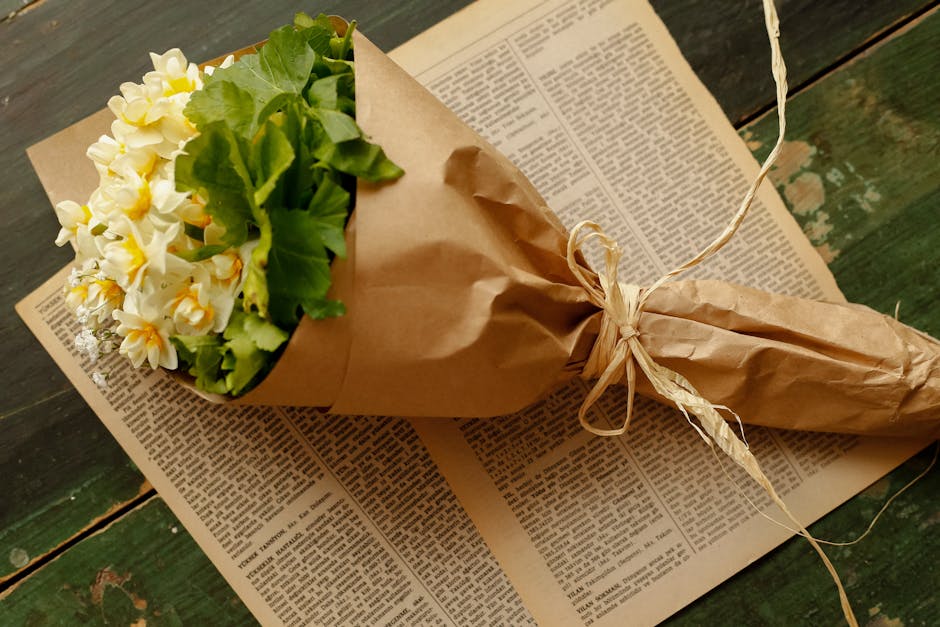
Packaging is one of the easiest places to reduce waste. Recyclable paper, compostable wrap, reusable containers, and minimal tape are all positive signs. If the bouquet arrives in multiple plastic layers, cellophane, foam, and decorative extras you will throw away immediately, that is not especially eco-friendly, whatever the website says.
4. Ask about flower care and longevity
Eco-friendly buying is not just about how flowers are grown. It is also about how long they last once they arrive. A bouquet that survives a week and a half is usually better value than a showy bunch that starts drooping after two days. Florists who give proper care advice tend to be more serious about quality overall.
5. Factor in delivery and logistics
Delivery matters, especially in busy UK cities. A florist using efficient local routes, grouped deliveries, or fewer van journeys can reduce unnecessary emissions. For some buyers, same-day delivery is useful; for others, a planned delivery date is better because it gives the seller more flexibility to optimise the route. If you have ever watched a van crawl through central London traffic at 4pm, you will know why this matters.
If you are ordering for a house move, a fresh arrangement can also be part of making a new home feel settled. That is where practical services like home moves or man and van become relevant in the wider moving picture, especially if you are refreshing a property, not just gifting flowers.
Key benefits and practical advantages
Eco-friendly flowers offer more than a warm glow of doing the right thing. There are practical upsides too.
- Lower waste: Better packaging and less floral foam mean less rubbish straight after delivery.
- Better seasonal quality: Seasonal stems tend to be more natural-looking and often last longer.
- More thoughtful gifting: A bouquet that matches the season feels considered, not generic.
- Support for UK growers: Choosing British-grown flowers can keep more value in local horticulture.
- Less guesswork: Florists who are transparent about sourcing make buying easier and calmer.
There is also a mood benefit. A bouquet with meadowy stems, proper scent, and a bit of irregularity can feel more alive than a tightly packaged supermarket arrangement. Not every bouquet needs to be dramatic. Sometimes the nicest ones are a little imperfect. A few stems lean this way, a few that way. Very human, really.
And if you are trying to make more sustainable choices in general, buying flowers this way can be an easy win. It is not the heaviest lift in the world, but it sends a clear signal about what you value.
Who this is for and when it makes sense
This approach is a good fit for a few different people:
- Gift buyers who want something thoughtful and lower-impact for birthdays, anniversaries, thank-yous, or sympathy flowers.
- Households looking to make regular purchases more sustainable without becoming obsessive about it.
- Event planners who need florals for weddings, dinner parties, or corporate receptions and want fewer waste-heavy materials.
- Businesses that send flowers to clients or staff and want their gifting to align with internal sustainability goals.
- People moving home who want fresh flowers in a new place and prefer to avoid unnecessary waste while settling in.
It makes the most sense when you have a little flexibility. If you need a very specific tropical bloom on a tight deadline in February, your options may be narrower. But if you can choose a seasonal palette, a local florist, or a slightly wider delivery window, you will usually do much better.
Truth be told, the "best" sustainable choice is often the one that fits the occasion properly and does not create avoidable waste. A well-made seasonal bouquet for a friend will beat a complicated imported arrangement that arrives wrapped like a parcel from another planet.
Step-by-step guidance
- Decide the occasion and style. Are you buying something romantic, cheerful, understated, or formal? Eco-friendly does not mean one look only. A loose hand-tied bouquet, a vase arrangement, or a dried-and-fresh mix can all work.
- Choose a seasonal direction first. Start with what is naturally available in the UK, then build around that. This keeps your search realistic and usually improves value.
- Shortlist florists that explain sourcing. Look for clear wording about British-grown flowers, local growers, fair sourcing, and transport. If the product page is vague, that is a sign to keep looking.
- Check the packaging details. Recycled paper, compostable wrap, ribbon-free options, and reusable containers are all good signs. Ask if the florist can leave out non-essential extras.
- Ask about substitutions. A flexible florist can replace one stem with a similar seasonal alternative. That usually helps reduce the need for hard-to-source imports.
- Review delivery practices. Local delivery windows, grouped routes, and clear timing can all help. If you are ordering to a flat or office building, include access notes so the delivery is not wasted.
- Confirm care instructions. A bouquet should come with simple aftercare advice. If it does not, ask. Good flowers deserve proper handling.
- Pay securely and keep the order details. For peace of mind, use a florist with clear payment terms and customer support. A site like payment and security is a good example of the kind of transparency customers appreciate, even outside the floral world.
If you are arranging flowers for a wider household refresh, perhaps after a move, it can also help to coordinate with practical services such as packing and unpacking services so the home is ready before the bouquet arrives. A tiny thing, maybe. But it makes the moment nicer.
Expert tips for better results
Pick flowers that look natural in the season
A bouquet that suits the time of year usually feels more authentic. Spring flowers with soft stems, summer flowers with texture, autumn stems with deeper tones. It is a simple rule, but it works.
Ask one direct question: "Where were these grown?"
That single question filters out a lot of weak sellers. You do not need a lecture. You just need a straight answer. If the florist cannot tell you, that is useful information in itself.
Choose fewer, better stems
A smaller bouquet of strong seasonal stems often has more presence than a large bunch with several filler flowers and lots of packaging. Less can genuinely be more here. A clean design, good spacing, fresh scent - it feels calmer.
Prefer florists who write like humans
Oddly enough, this matters. Businesses that explain their products clearly and give practical notes often have better systems behind the scenes too. If the product copy is stuffed with buzzwords and not much else, be cautious.
Keep delivery practical
If you are sending flowers to a city flat, a school, a care home, or a workplace, think about access. Missed deliveries waste time, fuel, and money. In dense areas, especially around central London, that one detail can make all the difference.
For business customers, the same common sense applies elsewhere. You would expect a provider to handle logistics smoothly, whether it is an office move via office removals or a one-off gift delivery. Good operations are usually visible in the small things.
Common mistakes to avoid
- Assuming "eco" means fully sustainable. It rarely does. Look for evidence, not slogans.
- Choosing flowers out of season just because they are fashionable. Sometimes the most attractive option is also the least sensible.
- Ignoring packaging waste. A bouquet can be undermined by layers of plastic and foam.
- Not checking delivery location details. Failed deliveries are a needless waste.
- Forgetting about lifespan. If the flowers do not last, the footprint per day of enjoyment goes up.
- Buying only on price. Cheapest is not always best value when quality, transport, and waste are considered.
- Believing every sustainability claim at face value. Greenwashing exists. Sadly, yes.
One of the most common traps is buying a bouquet that looks rustic but has travelled a long way. Another is overcompensating with lots of extras - balloons, plastic cards, glitter wrap - which completely cancels out the good intention. A little restraint goes a long way.
Tools, resources and recommendations
You do not need specialist tools to buy well, but a few simple resources can help:
- Seasonal flower guides: Useful for checking what is likely to be in bloom in the UK at different times of year.
- Local florist websites: Best for checking sourcing, delivery windows, and packaging options.
- Flower care notes: Often more important than people think, especially if you want the bouquet to last.
- Customer service chat or email: Good for asking origin and packaging questions before you order.
- Sustainability pages: Helpful when you want a fuller picture of how a business works. See, for example, sustainability information and flower care advice for the kind of detail that makes buying easier.
In general, I would recommend prioritising florists that are transparent rather than overly polished. The best ones do not hide the practical stuff. They tell you where the flowers are from, how they are wrapped, and what to do when they arrive. Very reassuring, actually.
If you are comparing companies for a gift sent alongside another home project, it may also be worth looking at broader customer-support pages such as delivery, returns and refund, and about us. Clear policies usually reflect a better overall service culture.
Law, compliance and best practice
For most flower buyers, there is no special legal checklist you need to complete. That said, a few UK best-practice points are worth keeping in mind.
First, businesses should present claims honestly. If a florist says something is sustainable, it should be clear what that means in practice. This is especially important with environmental wording, because vague claims can mislead customers. If you see strong promises, look for the evidence behind them: source details, packaging information, waste handling, or grower relationships.
Second, if flowers are imported, the business should still be transparent about that. Imported is not the problem on its own; hidden importing is. The same goes for delivery. Being honest about where and how an order is fulfilled matters.
Third, many responsible florists align with broader industry norms such as using recyclable packaging where possible, reducing single-use plastics, and offering seasonal substitutions. Those are not always formal legal requirements, but they are widely accepted good practice.
Finally, if you are buying flowers for a workplace, a public venue, or a commercial event, you may want to check the supplier's service terms, payment terms, and customer support details. In the business world, the basics still matter: clarity, security, and accountability. You can see examples of that kind of operational transparency in pages like terms and conditions, contact us, and complaints procedure.
Options and comparison table
If you are unsure which route to take, this quick comparison may help.
| Option | Typical strengths | Watch-outs | Best for |
|---|---|---|---|
| British seasonal bouquet | Lower transport impact, fresh look, often better value | Limited winter variety | Most everyday gifting |
| Imported premium bouquet | Wider colour and stem choice | Potentially higher footprint, more packaging risk | Specific visual requests |
| Dried flowers | Very long-lasting, low waste over time | Not always suitable for every occasion | Home decor, keepsakes |
| Potted plant or flowering plant | Reusable, long life, less disposable waste | Needs ongoing care | Housewarming, office desks, low-waste gifts |
The table is not meant to be rigid. A well-chosen imported bouquet can still be a thoughtful purchase if it is sourced carefully and wrapped minimally. But if your goal is to buy eco-friendly flowers in the UK with less hassle, British seasonal stems or a long-life plant are usually the easiest wins.
Case study or real-world example
A customer in south London wanted to send flowers to a friend after a difficult week. She had originally picked a bright, mixed bouquet with tropical stems because it looked impressive online. But after a quick check, she realised the bouquet was heavily wrapped and full of stems that were not in season.
She switched to a smaller British seasonal arrangement: tulips, garden-style foliage, a few delicate accent stems, wrapped in plain paper and sent the next day. Nothing flashy. But the result was better. The bouquet looked natural on the table, the care card was clear, and the recipient actually kept the reusable vase insert for later.
What changed? Not the sentiment. Just the choices around it.
That is the heart of this topic, really. Buying eco-friendly flowers is not about perfection or guilt. It is about making better decisions that still feel beautiful and generous. And if you ask me, that is a much nicer way to give flowers in the first place.
Practical checklist
- Choose seasonal stems first.
- Ask where the flowers were grown.
- Check whether packaging is recyclable or compostable.
- Avoid floral foam where possible.
- Prefer minimal wrapping and fewer extras.
- Confirm delivery timing and access instructions.
- Ask for substitutions if out-of-season flowers appear in the design.
- Look for clear care instructions.
- Review the florist's payment and customer service pages.
- Choose a bouquet that suits the occasion, not just the photo.
Expert summary: If you remember only three things, make them these: buy seasonal, ask questions, and keep packaging simple. That alone will put you ahead of most casual flower buyers.
If you are also planning a move or redecorating a new place, it can help to coordinate flower delivery with the practical side of settling in. Services like removals, movers, and pricing and quotes are not about flowers, of course, but they show how much smoother life gets when logistics are clearly handled.
Conclusion
Buying eco-friendly flowers in the UK is really about learning to read the details. Seasonality, origin, packaging, delivery, and care all matter. None of them alone tells the whole story, but together they help you choose flowers that are more thoughtful, less wasteful, and usually more satisfying to give.
Once you get used to asking a couple of direct questions, the process becomes much easier. You stop relying on vague "green" labels and start spotting the florists who actually do the work. Those are the ones worth returning to.
And let's be honest: a bouquet that looks lovely, smells fresh, and leaves less behind is a pretty good outcome.
Get a free quote today and see how much you can save.
Whether you are buying for a friend, a client, or your own kitchen table, a little care goes a long way. A good bouquet can lift a room in seconds - and if it is chosen well, it does that with a lighter footprint too.
Frequently Asked Questions
What makes flowers eco-friendly in the UK?
Usually it is a mix of seasonal sourcing, local or British-grown stems, minimal packaging, and delivery practices that reduce waste. There is no single magic label, so it helps to look at the whole supply chain.
Are British-grown flowers always better than imported ones?
Not automatically, but they are often a stronger choice because they can reduce transport impact and support local growers. The best option depends on season, distance, and how the flowers are packaged and delivered.
Do eco-friendly flowers cost more?
Sometimes they do, especially if they are British-grown or from small-scale growers. But not always. Seasonal bouquets can be very good value, and a simpler design may actually save money compared with a heavily styled arrangement.
What should I ask a florist before I order?
Ask where the flowers were grown, what packaging is used, whether floral foam is involved, and if seasonal substitutions are possible. Those four questions tell you a lot very quickly.
Is floral foam bad for the environment?
Many buyers try to avoid it because it is a single-use material that can add waste. Some florists now use alternative mechanics, and that is usually worth favouring when you can.
Can I get same-day eco-friendly flower delivery?
Yes, sometimes, but options may be narrower. Same-day delivery can limit sourcing flexibility, so if you want the most sustainable choice, ordering in advance is often better.
What are the best eco-friendly flowers for spring?
Spring tulips, narcissi, anemones, ranunculus, and garden-style foliage are often good candidates. The exact list changes with availability, so check what is genuinely in season.
Are dried flowers more sustainable than fresh flowers?
They can be, because they last a long time and reduce repeat purchases. That said, they are not right for every occasion, and some people still prefer the scent and freshness of cut flowers.
How do I avoid greenwashing when buying flowers online?
Look for specifics. A trustworthy florist explains sourcing, packaging, and delivery in plain language. If the site is full of vague eco buzzwords but no detail, be cautious.
What packaging should I look for?
Recyclable paper, compostable wrap, reusable containers, and minimal plastic are all good signs. A bouquet should not arrive wrapped so heavily that half the bin is packaging.
Are supermarket flowers eco-friendly?
They can be improved in some cases, but the information provided is often limited. If you want more transparency, an independent florist with clear sourcing details is usually easier to assess.
What is the most sustainable flower gift overall?
For many people, it is a seasonal British bouquet or a living plant. Both can feel thoughtful while creating less short-lived waste than a large imported arrangement.
How far in advance should I order sustainable flowers?
As early as you reasonably can. Giving the florist time helps them source better stems, plan delivery efficiently, and avoid rushed substitutions. A bit of planning really does help here.
Can eco-friendly flowers still look luxurious?
Absolutely. Luxury does not have to mean wasteful. A well-composed seasonal bouquet with careful texture, colour, and spacing can look elegant without relying on heavy packaging or long-haul imports.