Professional Conditioning Techniques Every Florist Uses
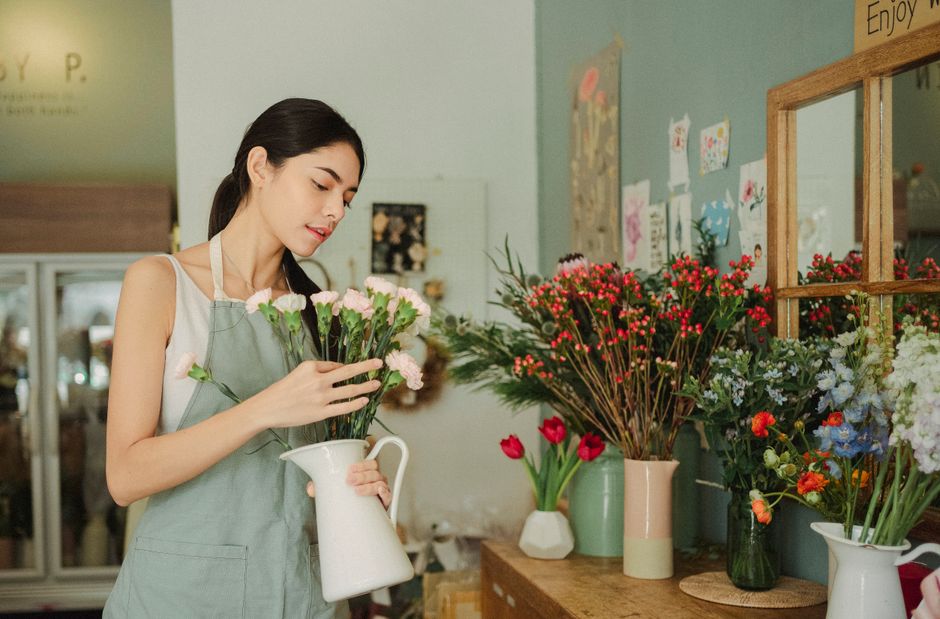
If you have ever bought flowers that looked gorgeous in the shop and then drooped two days later on the kitchen table, you already understand why professional conditioning techniques every florist uses matter so much. Good floristry is not just about arranging stems beautifully. It is also about preparing each flower properly so it drinks, opens, and lasts as well as it can. That behind-the-scenes care is what separates a lovely bunch from a proper, dependable bouquet.
In practice, conditioning is a mix of timing, hygiene, hydration, temperature control, and a few quiet habits that experienced florists do almost without thinking. It sounds technical, but it is really common sense done well. And, to be fair, that is often where the magic is.
In this guide, we will break down what professional conditioning means, how it works, the methods florists rely on, the mistakes that ruin vase life, and what you can expect if you are ordering flowers for a birthday, wedding, corporate event, or just because you want the room to feel brighter on a rainy Tuesday.
Why Professional Conditioning Techniques Every Florist Uses Matters
Fresh flowers are living material. Once stems are cut, they begin reacting immediately to water quality, temperature changes, trapped air, bacteria, and handling damage. Professional conditioning is the set of steps that helps them recover from that stress before they reach the customer. Without it, even premium flowers can look tired far too soon.
The biggest reason it matters is simple: vase life. A florist may receive flowers in bud, half-open, or fully open stages depending on the variety and the design brief. Proper conditioning helps control how those blooms develop. A rose that has been hydrated correctly will open more evenly. A lily handled with care will keep its petals cleaner. A tulip prepared well will stay upright longer instead of wobbling about like it has had too much tea.
There is also a presentation issue. Flowers that are conditioned well tend to look more refined. The stems sit properly in the vase, the heads are supported, and the bouquet has better balance. You notice the difference even if you cannot name it. The arrangement just feels calmer, fresher, more expensive in the best possible sense.
From a business point of view, conditioning protects reputation. Florists deal with tight delivery windows, event schedules, and customer expectations that are often very specific. If flowers arrive looking crisp and last well at home, the florist has done their job properly. If they are limp on arrival, the whole experience suffers. That is why serious florists treat conditioning as a core skill, not a side task.
It also helps with sustainability. Wasting fewer stems because of poor handling or rushed prep is better for margins and, frankly, better for the planet. If you are interested in that wider approach, the site's sustainability commitment gives a sense of the values that sit behind thoughtful flower care.
How Professional Conditioning Techniques Every Florist Uses Works
At its core, conditioning is about getting a cut stem to drink properly again. Once a flower is harvested, the cut end can dry out or become blocked by air, sap, bacteria, or debris. The florist's job is to reopen the pathway for water uptake and give the flower a stable environment while it rehydrates.
The process usually starts with a clean work area and clean tools. Stems are trimmed, leaves below the waterline are removed, and the flowers are sorted by type. Different flowers behave differently. Soft-stemmed varieties often need gentler handling than woody stems. Some flowers like cooler storage; others are happier when they are not chilled too aggressively. There is no single trick that suits everything, which is why experienced florists rely on judgement as much as technique.
Water matters more than most people think. It should be clean, fresh, and changed as needed. The right hydration balance helps flowers stay firm, but too much warmth or too much bacteria in the bucket can undo all the work. You can almost smell the difference in a busy prep room: fresh stems, wet paper, a bit of green, and, if things have gone wrong, that not-so-lovely sour note from neglected water. Not a glamorous part of floristry, but very real.
Conditioning also includes timing. Flowers may be left to rest after trimming so they can take up water before being arranged. Some blooms are conditioned overnight; others can be used sooner. Florists do this because a bouquet built from properly rested stems simply behaves better. It is easier to design, easier to transport, and less likely to collapse the moment it reaches the customer.
For delivered arrangements, the chain of care continues after dispatch. Reliable handling, protected transport, and sensible delivery timing all make a difference. That is why good flower businesses pay close attention to flower delivery arrangements and the practical details around delivery expectations.
Key Benefits and Practical Advantages
Professional conditioning is not just about keeping flowers alive longer. It changes the whole quality of the customer experience. Here are the most important benefits in plain English.
- Better vase life: flowers stay fresh longer when stems are prepared correctly and bacteria are kept under control.
- Improved shape and structure: hydrated stems hold their form better, which helps bouquets look balanced and intentional.
- Cleaner appearance: removing damaged leaves and petals early keeps arrangements looking neat.
- Smoother opening: buds open more evenly when they are supported properly from the start.
- Lower waste: fewer stems are discarded because of early decline or bruising.
- More predictable results: especially important for weddings, events, and corporate displays where timing matters.
There is also a trust benefit that is easy to overlook. Customers do not always see the conditioning work, but they feel the results. A bouquet that stays lovely for several days builds confidence in the florist's standards. That confidence is worth a lot, especially in a market where flower quality can vary wildly from one supplier to the next.
For regular customers, the advantage is practical as well as emotional. A well-conditioned bouquet is less stressful to look after. You are not constantly wondering if the stems need rescuing. You simply enjoy them. Which, surely, is the whole point.
Who This Is For and When It Makes Sense
Professional conditioning techniques matter to anyone working with cut flowers, but they are especially important in a few situations.
- Florists: every shop needs a reliable prep routine to protect stock quality and manage mixed flower orders.
- Event planners: weddings, launches, and receptions need flowers to hold up through setup and the full event.
- Corporate buyers: reception displays and office flowers often need to look good for several days at a time.
- Gift buyers: if you are sending flowers for a birthday or a thank-you, conditioning affects how long the gift lasts.
- Home flower lovers: even if you are not arranging professionally, these methods help you get more value from every bunch.
It makes sense whenever flowers have to travel, wait, or last beyond the day they are bought. Truth be told, that is most of the time.
In a practical sense, conditioning is most important for mixed bouquets, premium stems, seasonal flowers, and any arrangement being delivered rather than collected instantly. If a florist is preparing flowers for a special date, they may also coordinate prep with payment, dispatch, and care instructions so the bouquet reaches the customer in the best possible condition. For a clearer picture of the wider customer journey, the site's pages on flower care and guarantees are useful reference points.
Step-by-Step Guidance
Below is a practical overview of how a professional florist usually conditions flowers. Different shops have their own habits, but the basic principles are very similar.
- Unpack immediately. Flowers should not sit around in wrapping longer than necessary. Heat and pressure build up quickly in transit.
- Inspect each stem. Remove anything bruised, slimy, bent badly, or already showing decline. It is better to be selective early.
- Strip lower foliage. Any leaves that would sit below the waterline should be removed to reduce bacterial growth.
- Trim with a clean blade. A fresh cut opens the stem for water uptake. Many florists cut at an angle, though technique can vary by flower type.
- Place stems into clean water quickly. Speed matters. The longer the stem stays dry, the more difficult rehydration can become.
- Sort by variety. Some flowers are best conditioned separately because their water needs, ethylene sensitivity, or storage preferences differ.
- Let them rest. Many flowers need time to absorb water before they are arranged. Rushing this stage is a classic mistake.
- Store under suitable conditions. Keep flowers away from direct sun, radiators, fruit bowls, and draughts. A cool, stable environment usually works best.
A useful way to think about it is this: conditioning is not one action, but a sequence. Miss a stage and the rest is less effective. You can still make a bouquet look lovely, of course, but it may not perform as well once it leaves the shop.
For customer-facing orders, the same logic applies after the bouquet is designed. The stems need to be packed securely, delivered on time, and handed over with sensible advice. That is why the workflow around flower delivery and service information such as returns and refund details matters as part of the full experience, not just as admin.
Expert Tips for Better Results
After a while, most florists develop little habits that make a real difference. Nothing flashy. Just the sort of steady, practical detail that keeps stock looking good.
1. Work clean, always. Dirty buckets and blunt tools shorten vase life quickly. A quiet prep table beats a chaotic one every time.
2. Hydrate before designing when possible. Many flowers benefit from a rest period before arrangement. If you have ever tried to force half-hydrated stems into a display, you will know it can get messy fast.
3. Watch the temperature. Warm rooms can make blooms open too quickly, while very cold conditions can stress more delicate flowers. The sweet spot depends on the variety, but stability is the key.
4. Respect different flower personalities. Roses, tulips, hydrangeas, lilies, and seasonal stems all behave differently. Treating them all the same is a shortcut to disappointment.
5. Refresh water regularly. Especially for home care. Even the best-prepared bouquet can struggle in stale water.
6. Use the customer's space in mind. A bouquet heading to a warm office lobby needs a different approach from one going to a cool house with plenty of shade.
One small but valuable tip: condition with the end use in mind. A hand-tied bouquet for same-day enjoyment can be handled a little differently from funeral flowers, event centrepieces, or a corporate reception arrangement that must last most of the week. Different job, different plan. Simple, really.
And if something looks a bit off during prep, trust your eyes. Florists do this a lot: pause, lift the bunch, check the stem line, make one more cut. It takes ten seconds and saves a lot of trouble later.
Common Mistakes to Avoid
Most flower disappointments come from avoidable errors rather than bad luck. Here are the ones florists see again and again.
- Leaving flowers out too long after delivery: stems dry out quickly, especially in warm conditions.
- Using dirty containers: bacteria spreads through water faster than people expect.
- Skipping the trim: if the stem end is blocked or dried out, hydration suffers.
- Forgetting to remove leaves below water: this encourages rot and shortens vase life.
- Mixing incompatible flowers without thought: some stems release substances or need different treatment.
- Placing flowers near fruit: ripening fruit gives off gases that can make blooms age faster.
- Overheating arrangements: bright sun through a window can look nice, but the flowers usually disagree.
Another common issue is over-handling. It is tempting to keep adjusting the stems, but excessive touching can bruise petals and weaken delicate blooms. Better to make a decision, set the design, and leave it alone unless it truly needs changing. A florist's hands can do a lot, but not everything, alas.
Customers can make mistakes too, usually by ignoring care instructions because the bouquet looks fine for the first hour. That is exactly why good florists give simple aftercare advice. A little guidance goes a long way.
Tools, Resources and Recommendations
You do not need a huge workshop to condition flowers properly, but a few good tools make the job much easier.
| Tool or resource | Why it helps | Practical note |
|---|---|---|
| Clean buckets | Support hydration and keep stems organised | Use separate buckets for different flower types where needed |
| Sharp floral knife or secateurs | Creates cleaner cuts and reduces stem damage | Keep blades clean and replace or sharpen regularly |
| Fresh water | Encourages better water uptake | Change frequently, especially in warm rooms |
| Flower food | Supports hydration and slows bacterial growth | Follow the packet instructions rather than guessing |
| Clean workspace | Reduces contamination and keeps stock safer | Small habits matter more than grand systems |
| Cold storage, where available | Helps maintain freshness before design or dispatch | Use carefully; not every flower likes the same temperature |
For customers, the most useful resource is usually the florist's own care guidance. If you are buying for someone else, that matters more than people think. A beautiful bouquet is only half the story; the rest is how it is looked after once it arrives.
Useful operational pages such as about the business, contact information, and payment details also help build confidence before ordering, especially for corporate or repeat buyers who care about reliability and process.
Law, Compliance, Standards, or Best Practice
Floristry conditioning is not usually about complex regulation, but it does sit within broader UK business expectations around hygiene, honest trading, safe handling, and clear customer information. That is especially true for shops supplying events, businesses, or large numbers of deliveries.
Best practice usually means keeping flowers in a hygienic environment, giving accurate care advice, and avoiding misleading promises about lifespan. If a florist says a bouquet should last, the claim should be realistic and based on proper prep and sensible aftercare. That sounds obvious, but it is not always followed as carefully as it should be.
For consumers, it is worth checking the policies that sit behind the purchase. Transparent pages on topics like terms and conditions, returns and refund arrangements, guarantees, and privacy help set expectations properly.
There are also practical ethical considerations. Sourcing, labour standards, and responsible operations are part of modern floristry. Customers do not need a lecture, just a sense that the business is run properly. The site's modern slavery statement and sustainability information speak to that broader responsibility.
Accessibility is another piece of good practice. It may not sound related to conditioning flowers at first glance, but a business that thinks carefully about user experience usually thinks carefully about product handling too. The accessibility statement is one of those quiet trust signals that helps reassure customers the business takes inclusion seriously.
Options, Methods, or Comparison Table
Not every flower needs the same treatment. Florists usually choose a conditioning approach based on stem type, event timing, and how long the flowers need to last. Here is a simple comparison.
| Method | Best for | Advantages | Watch-outs |
|---|---|---|---|
| Immediate trim and water | Most mixed bouquets and delivery stock | Fast, reliable, easy to standardise | Still needs clean water and proper resting time |
| Extended hydration | Event flowers, premium stems, stock arriving early | Improves stem firmness and bloom response | Takes planning and suitable storage space |
| Separate conditioning by variety | Mixed orders with different flower types | More tailored care, fewer compatibility issues | More labour and more buckets, obviously |
| Cool storage support | Flowers that need to hold before delivery or installation | Slows ageing and protects freshness | Needs careful temperature control |
| Fast-track prep | Short-notice orders | Efficient for same-day work | Less room for recovery if stems are already stressed |
The right choice depends on the order, not on habit. That is what separates a decent florist from a good one. Good florists adapt. They do not just repeat the same routine and hope for the best.
Case Study or Real-World Example
Here is a typical real-world scenario. A customer orders a mixed bouquet for a birthday on a Friday afternoon, with delivery the next morning. The bouquet includes roses, alstroemeria, and a few seasonal accent stems. Nothing dramatic, just a nice, cheerful arrangement that needs to arrive in good condition and stay looking lovely through the weekend.
A florist handling that order well would usually unpack the flowers promptly, separate the more delicate stems if needed, strip lower leaves, recut the ends, and place everything into fresh water. The roses may need a little more attention than the alstroemeria. The bouquet itself may be arranged only after the stems have rested long enough to hydrate properly. Then it is packaged carefully for transport, with enough support to prevent crushing and enough airflow to avoid overheating.
The customer, meanwhile, receives the flowers with a simple care note: trim the stems if needed, use a clean vase, change the water regularly, and keep the arrangement away from heat and fruit. That sounds basic, but it is exactly these basics that preserve the result.
What does success look like here? The bouquet still looks balanced on Sunday morning. The roses have opened gradually rather than collapsing early. The customer feels they got real value. And the florist has done more than make something pretty; they have delivered a dependable experience. Not glamorous, perhaps, but very professional.
Practical Checklist
Use this quick checklist whenever you are conditioning flowers professionally or judging whether a bouquet has been prepared properly.
- Flowers were unpacked promptly after arrival.
- Tools and buckets were clean.
- Lower leaves were removed before stems went into water.
- Stems were recut with a sharp tool.
- Flowers were placed in fresh water quickly.
- Different varieties were separated where necessary.
- Flowers were allowed enough time to hydrate before arranging.
- The arrangement was kept away from direct heat and harsh sunlight.
- Delivery timing was planned so flowers were not left waiting too long.
- Aftercare advice was included or clearly understood.
If most of those boxes are ticked, you are usually in good shape. If several are missed, the bouquet may still look fine for a day or two, but it is working against the odds.
Get a free quote today and see how much you can save.
Conclusion
Professional conditioning is one of those floristry skills that happens quietly in the background, yet it shapes everything the customer experiences. It affects how flowers look on arrival, how long they last, how easy they are to enjoy, and how confident people feel about the florist who supplied them.
The real lesson is simple: flowers are not just products, they are living materials. Treat them carefully and they reward you. Rush them, cut corners, or store them badly, and they show it fast. That is why the best florists are so particular about water, cleanliness, timing, and stem prep. It is not fussiness. It is craft.
If you are buying flowers for someone special, or managing floral displays for an event or workplace, those behind-the-scenes habits make a bigger difference than most people realise. And if you are a florist yourself, there is always another small improvement to make. One better cut. One cleaner bucket. One cooler delivery window. That is often how quality is built, bit by bit.
In the end, great flower care is really about respect: for the stem, the customer, and the moment the flowers are meant to celebrate.
Frequently Asked Questions
What are professional conditioning techniques in floristry?
They are the practical steps florists use to prepare cut flowers for better hydration, freshness, and vase life. That usually includes trimming stems, removing leaves below water, using clean buckets, and resting flowers before arranging them.
Why do florists recut flower stems?
Recutting opens a fresh pathway for water uptake. Once a stem has been cut and exposed to air, the end can dry out or become blocked. A clean trim helps the flower drink properly again.
How long should flowers condition before being arranged?
It depends on the flower type, how fresh it is, and the purpose of the order. Some flowers can be arranged fairly soon after hydration, while others benefit from several hours of rest. A professional florist judges this by stem condition and event timing.
Do all flowers need the same conditioning method?
No, and this is where experience matters. Roses, tulips, lilies, hydrangeas, and seasonal flowers all behave differently. Some prefer cooler storage, some need more careful handling, and some are more sensitive to bacteria or bruising.
What is the biggest mistake people make with cut flowers?
Leaving them too long without water or putting them into dirty water. Those two mistakes alone can shorten vase life a lot. Skipping the stem trim and leaving leaves below the waterline are close behind.
How do florists keep bouquets looking fresh for delivery?
They condition the stems properly, use clean packaging, plan dispatch carefully, and avoid unnecessary delays between prep and delivery. Good delivery handling matters almost as much as the bouquet itself.
Can conditioning improve the look of a bouquet as well as its lifespan?
Yes. Properly hydrated stems are easier to shape, support blooms better, and hold structure more neatly. The bouquet usually looks more balanced and polished from the start.
Is flower food really necessary?
It is not always essential, but it often helps by supporting hydration and reducing bacterial growth. When used properly, it can improve performance, though it does not replace clean water and good stem care.
Why do some flowers droop even after conditioning?
There can be several reasons: the stems may have been stressed in transit, the water may not be clean enough, the flower type may be delicate, or the room may be too warm. Sometimes a flower simply arrived at a more fragile stage than expected.
How should customers care for flowers after delivery?
Use a clean vase, trim stems if needed, keep the flowers in fresh water, remove any leaves below the waterline, and place them away from heat and fruit. Simple habits make a real difference. Honestly, they do.
Does conditioning matter for corporate and event flowers too?
Very much so. Corporate displays and event arrangements often need to look good for longer periods and under brighter, busier conditions. Conditioning helps the flowers hold their shape and stay presentable through the event window.
Where can I find reliable information about ordering and care policies?
Useful pages to check include delivery information, flower care guidance, guarantees, terms and conditions, returns and refund details, and the business's about and contact pages. Those help set realistic expectations before you buy.